

HISTORY
The Origins
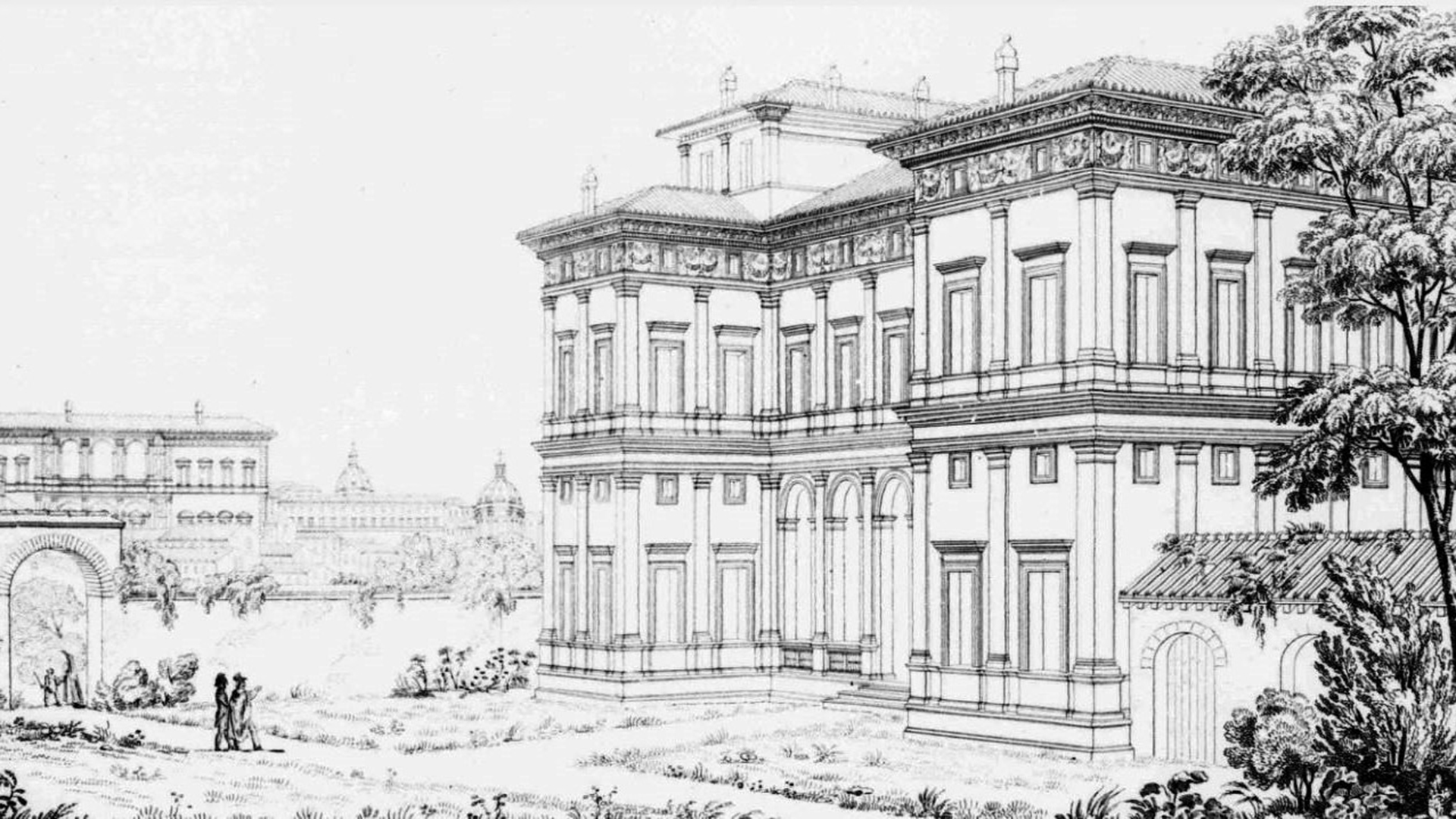
Built in the early 16th century at the behest of Agostino Chigi, a wealthy banker of Sienese origin, the Villa Farnesina in Rome, owned by the Accademia Nazionale dei Lincei, is one of the most noble and harmonious creations of the Italian Renaissance, a work in which architectural design and pictorial decoration merge into a single, admirable synthesis.
The sober volumetric and spatial articulation of the Villa, conceived by the architect Baldassarre Peruzzi, is perfectly complemented by the rich decorative programme of the interior, frescoed by great masters such as Raphael, Sebastiano del Piombo, Giovanni Antonio Bazzi, known as Sodoma, and Peruzzi himself.
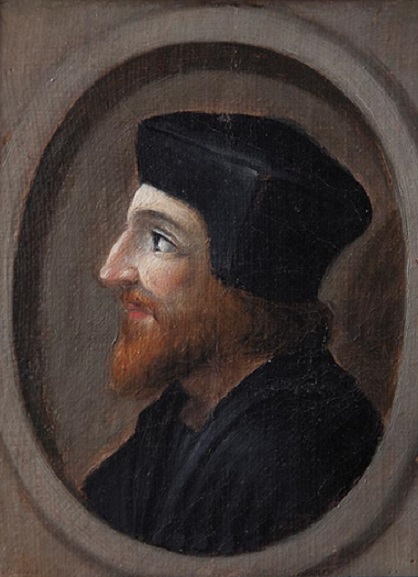
Spared from turbulent events and numerous changes of ownership, the villa now bears the name and memory of the Farnese family, who acquired it in 1579 in violation of the inheritance restrictions imposed by its original owner. In reality, it should be named after Agostino Chigi, an ambitious patron and fine connoisseur of art, born in Siena in 1466, who wanted to erect it as a tangible sign of his personality and culture, decorating it magnificently and living there until his death in 1520.
Heir to an enterprising dynasty of merchants, who later moved into banking, Agostino was trained at his father’s bank, soon coming into contact with the Papal States and its finances and opening his first company in Rome when he was just twenty years old. The real basis of his immense wealth was the rights to exploit the alum mines in Tolfa, near Rome, over which he had a monopoly.
The Patron: Agostino Chigi
Before moving to the Farnesina, Chigi had lived in Via dei Banchi with his young wife Margherita Saracini, who died in 1508 without bearing him any children.
He subsequently began a relationship with the courtesan Imperia, famous for her beauty and culture, with whom he had a daughter, Lucrezia.
Già prima della morte di Imperia (1511), Chigi corteggiò Margherita Gonzaga, figlia naturale del marchese di Mantova, senza riuscire a sposarla. Nel 1511, a Venezia, conobbe Francesca Ordeaschi, con cui visse “more uxorio” fino al 1519, quando, nel giorno di sant’Agostino, sposò solennemente.
The Splendour of the Farnesina
The wedding banquet in 1519 was memorable, as were other banquets held at his residence, which welcomed poets, princes, cardinals and even the Pope.
The banquet in 1518 for the baptism of his eldest son Lorenzo Leone was famous, during which gold and silver furnishings were thrown into the Tiber as a sign of generosity (but recovered with nets set up for the occasion).
Transfers of Ownership
After its acquisition by Cardinal Alessandro Farnese the Younger and the death of Odoardo Farnese, the villa was abandoned and hosted figures such as Cardinal Richelieu, Queen Christina of Sweden and ambassadors of Louis XIV.
In 1735, it passed to Charles IV, King of the Two Sicilies, then to Neapolitan diplomats and finally, in 1927, it became the seat of the Royal Academy of Italy. In 1944, the Italian State ceded it to the Accademia Nazionale dei Lincei as its representative headquarters. Since 2009, it has also been a museum open to the public.
The Construction Process
In May 1505, Chigi commissioned Baldassarre Peruzzi to design the villa. The first stone was laid on 22 April 1506.
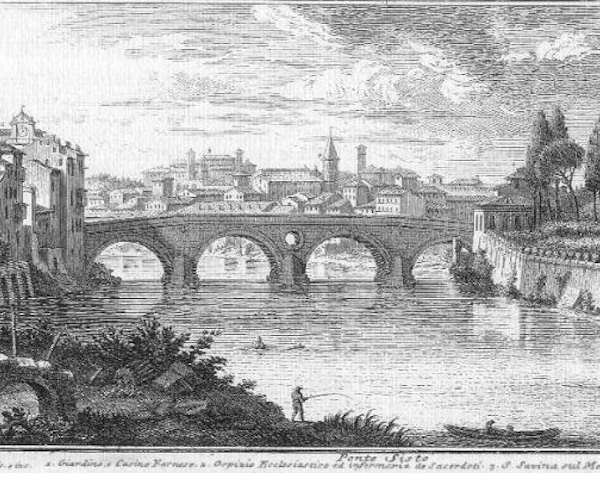
The property also included stables designed by Raphael, a loggia overlooking the Tiber and spacious gardens. In 1511, Chigi moved into the residence and showed the villa to the Pope.
The First Pictorial Cycles
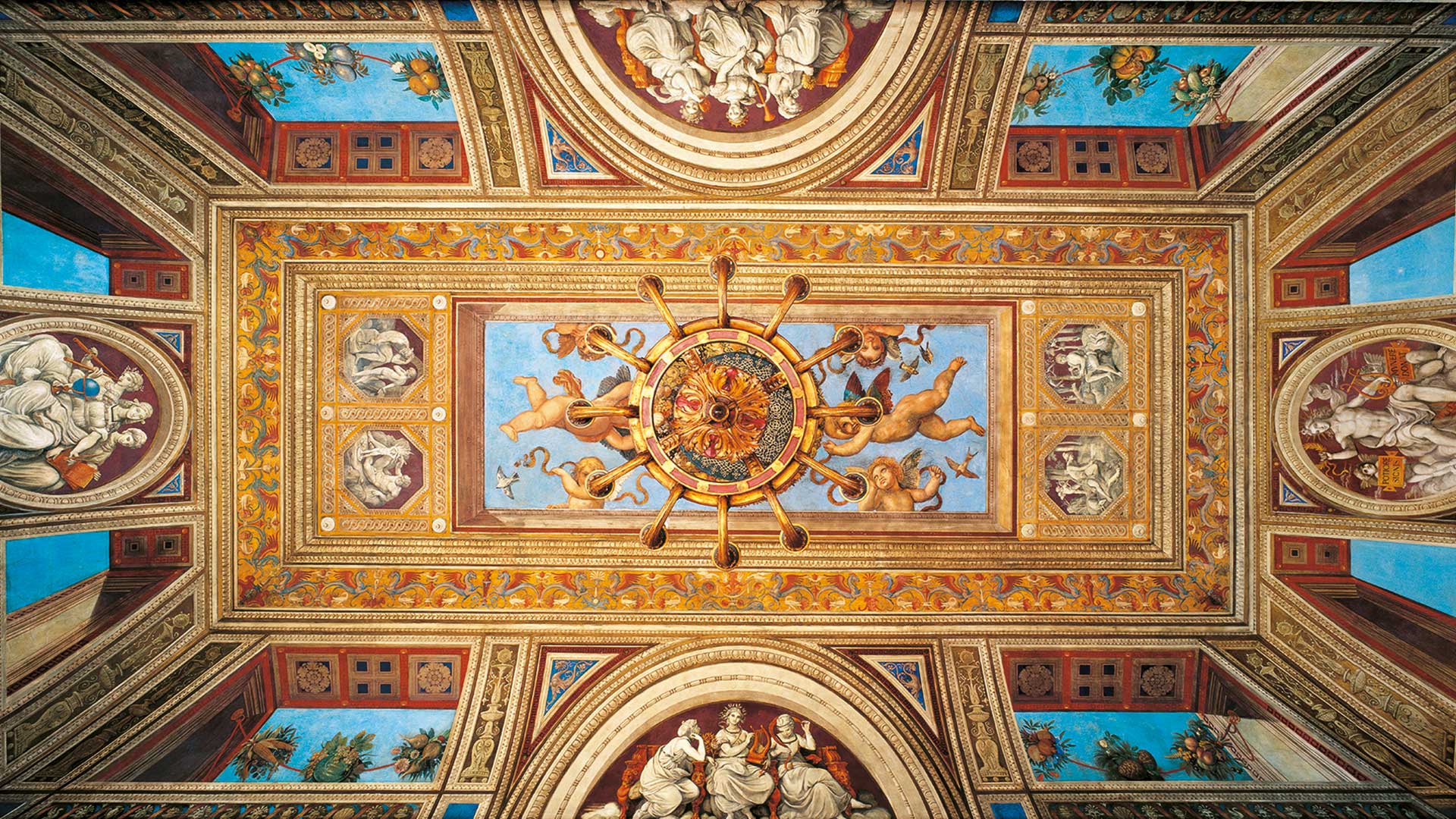
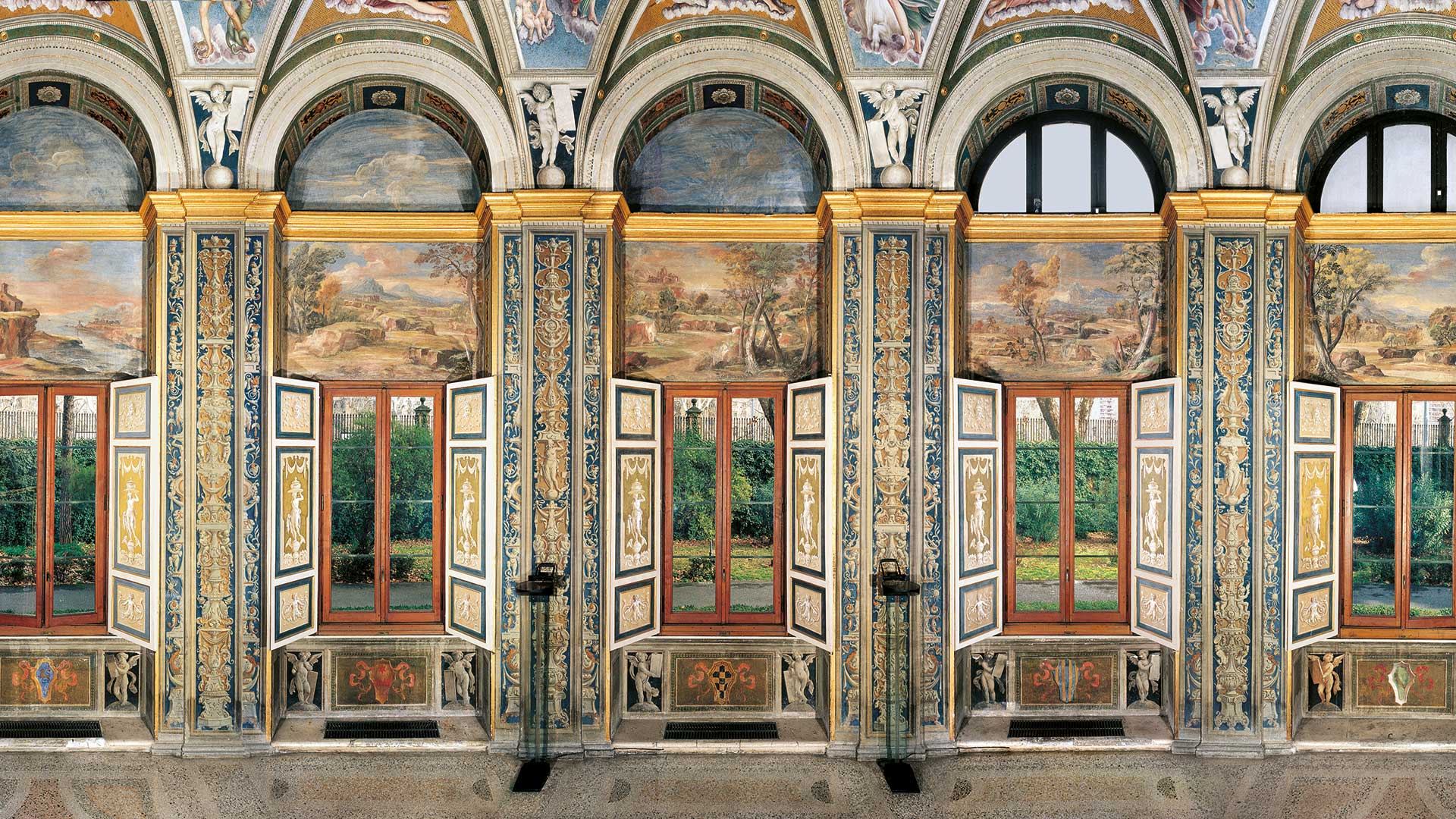
Peruzzi frescoed the twelve Labours of Hercules and other mythological scenes in the Hall of the Frieze.
In 1511, Sebastiano del Piombo arrived and painted scenes from Ovid’s Metamorphoses and the Polyphemus, while Raphael created the celebrated Galatea.
The Loggia of Cupid and Psyche
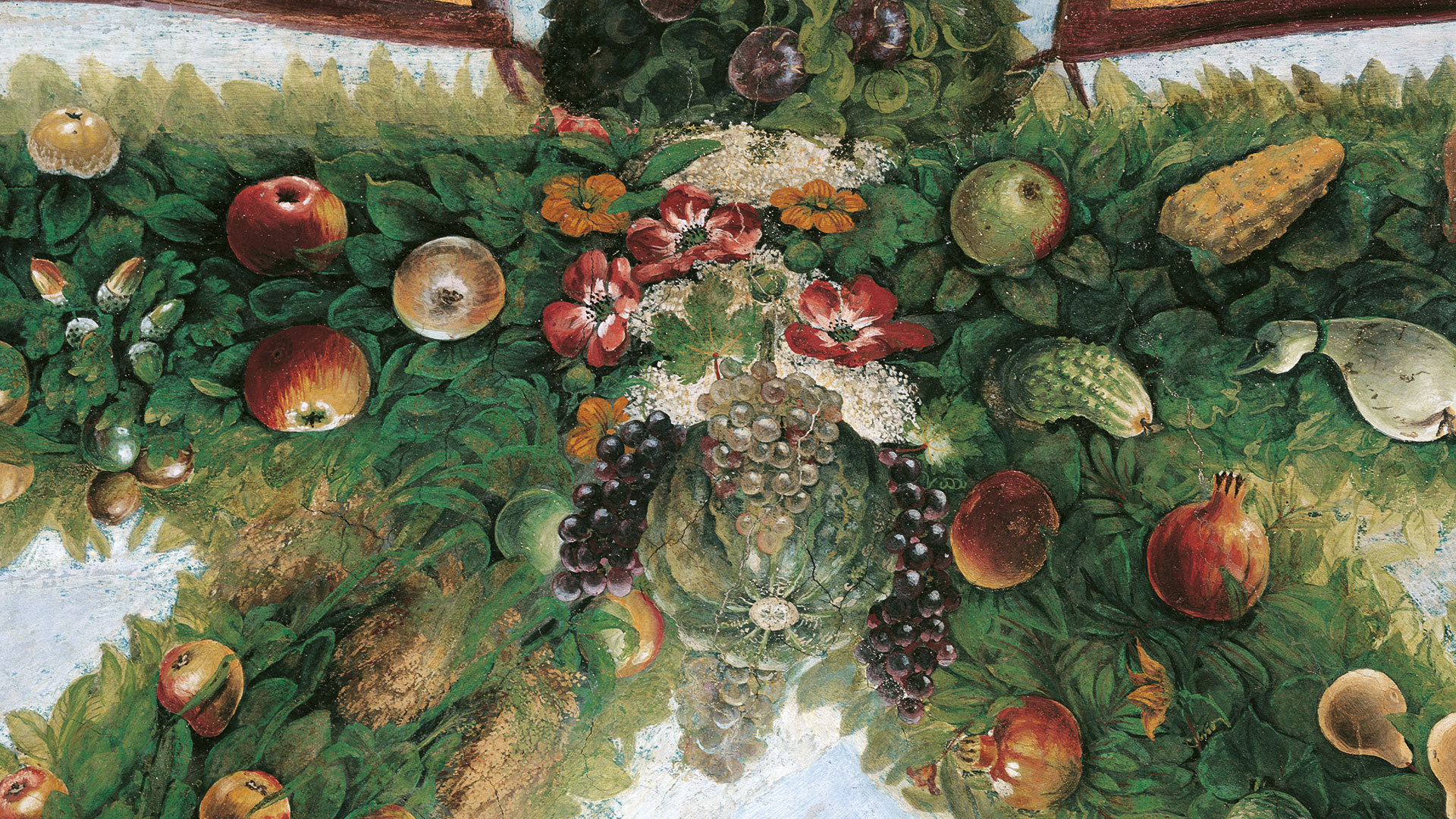
Around 1517, in anticipation of the wedding, Raphael decorated the loggia on the ground floor with the story of Cupid and Psyche, transforming the vault into a painted pergola. Penni, Giulio Romano and Giovanni da Udine, who created the plant garlands, collaborated on the project.
The Other Rooms
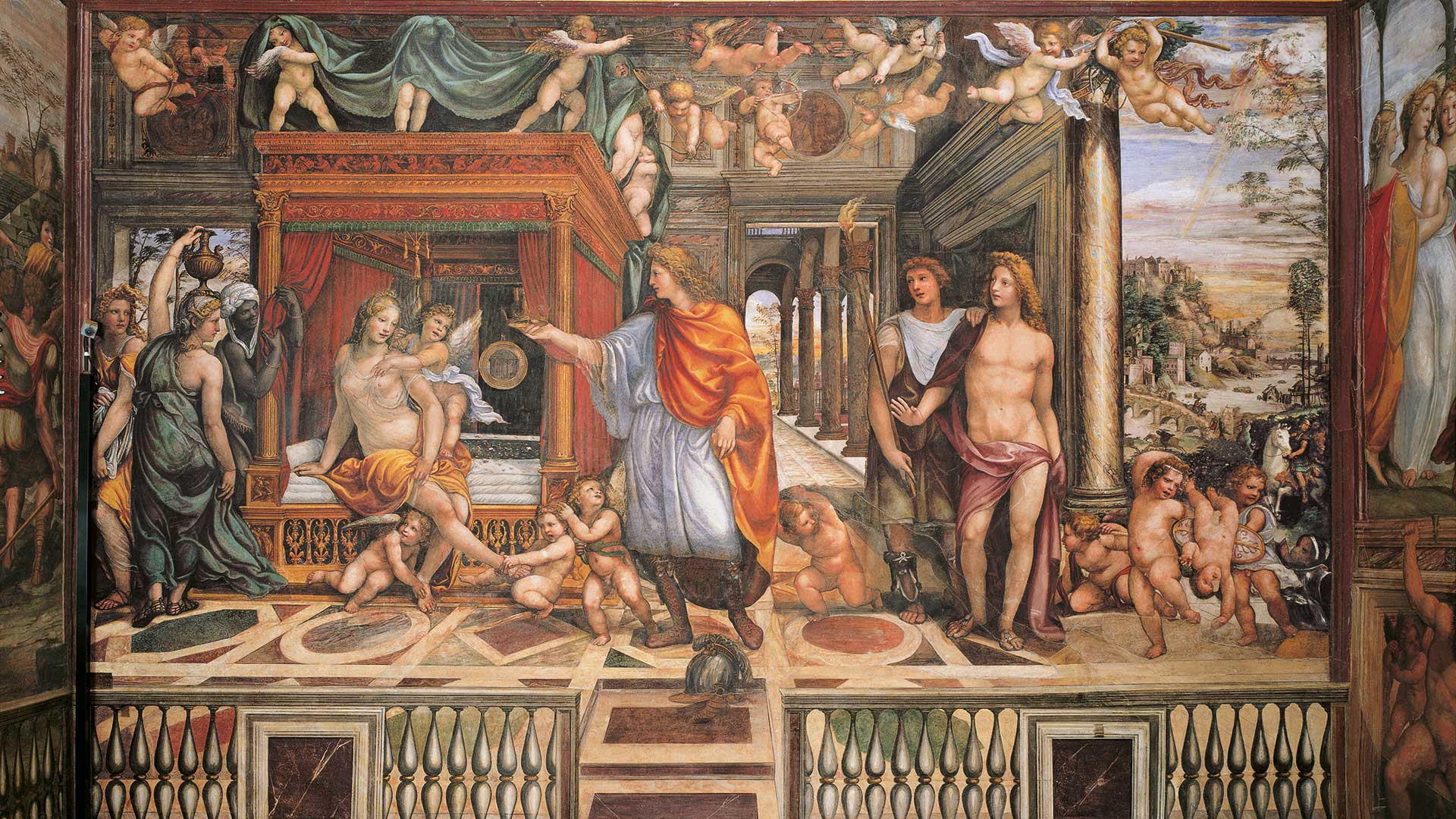
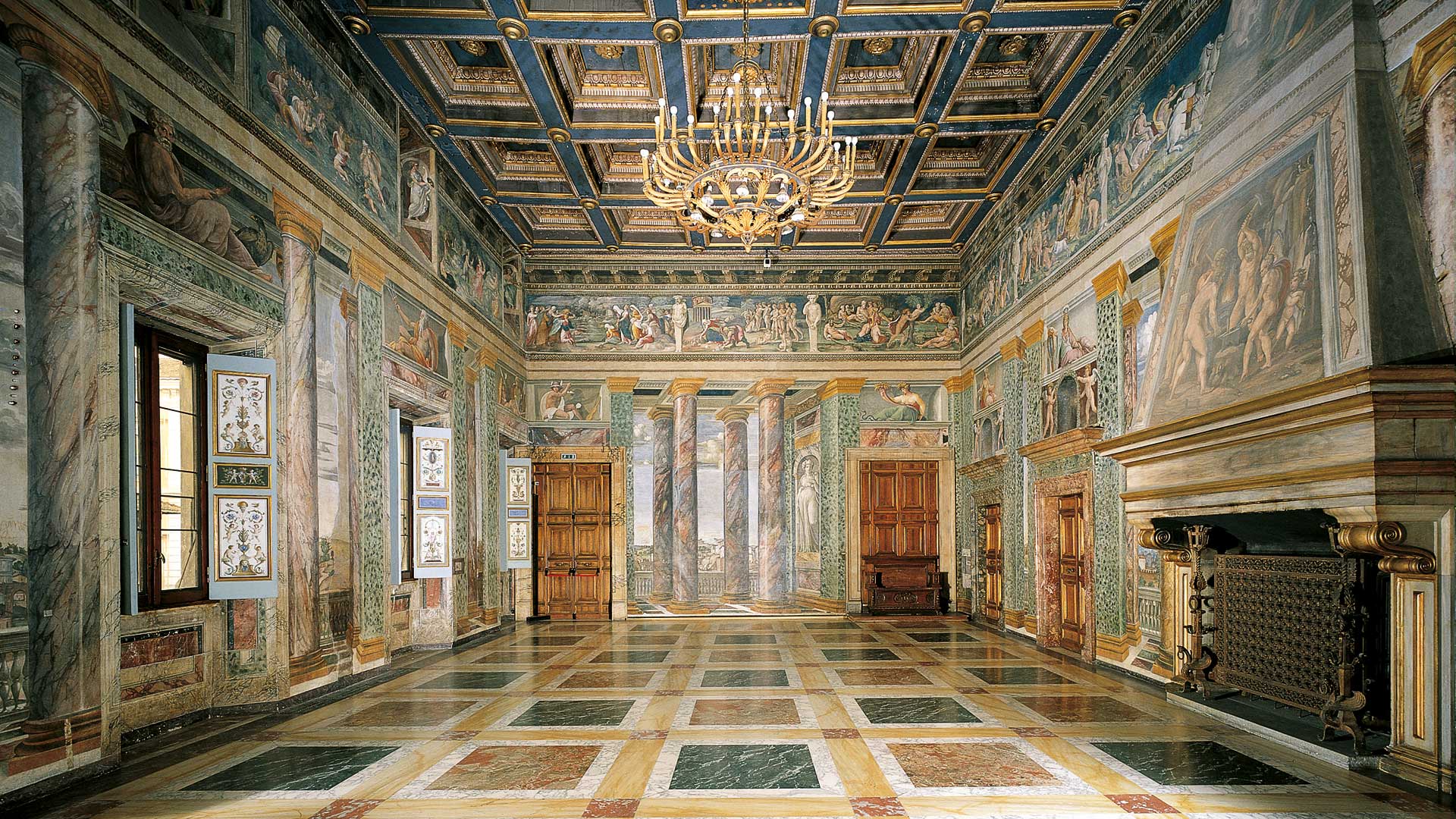
On the first floor, Sodoma frescoed the Chamber of Alexander and Roxane (1519) and Peruzzi frescoed the Hall of Perspectives, with faux architecture opening onto idealised landscapes.