

PROJECTS

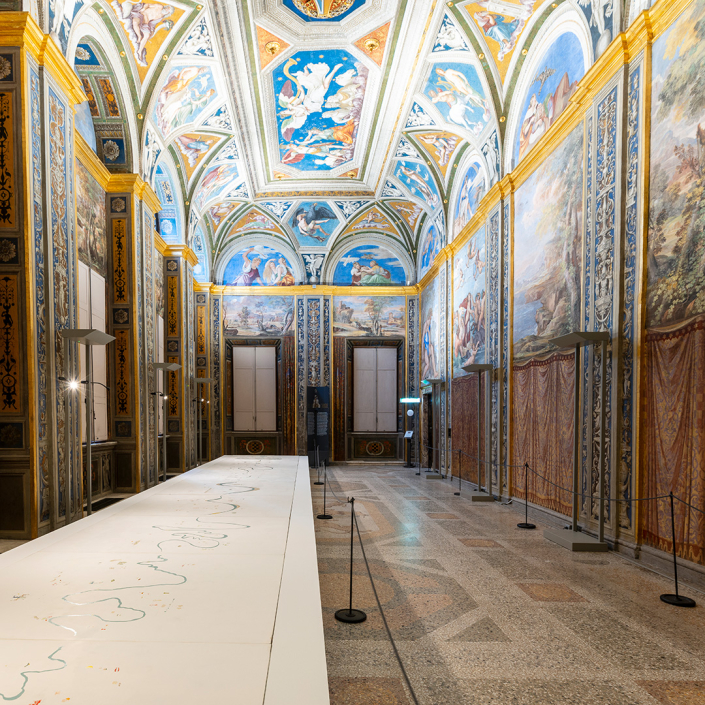
Artesìa – Inclusività in Villa (Artesìa – Inclusiveness in the Villa) was created with the aim of transforming the museum and, more generally, the cultural environment into a truly open and welcoming space, where the artistic experience is not only an aesthetic pleasure but also an opportunity for well-being for all. The project includes a series of workshops and interactive activities aimed at making the frescoed rooms of the Villa and its gardens accessible, with a particular focus on the needs of visitors in terms of accessibility and inclusion.

The name Artesìa comes from the fusion of two key concepts: Arte (Art) and Sia (Be), symbolising the encounter between art and being, the profound expression of human identity and essence. With this in mind, the project offers two paths dedicated to museum inclusion, with the aim of expanding the possibilities for enjoyment and participation.
Artesìa

Museum Therapy Projects for Alzheimer’s

The initiative promotes a series of activities aimed specifically at people with dementia. Art, both visual and musical, can be a powerful therapeutic tool, capable of stimulating memory, emotions and communication.

Starting from the desire to make the museum a welcoming and accessible place for everyone, the Associazione Amici dell’Accademia dei Lincei has launched a pilot project that highlights the therapeutic value of art and creativity as complementary tools in treatment programmes.

So why does culture have such a profound impact on human wellbeing?

According to scholars, thinking is a side effect of the brain’s ability to integrate complex bodily functions. Culture provides a safe environment in which to exercise and improve our cognitive abilities.

Studies have shown that people with cultural habits have a life expectancy that is approximately two years longer than those who do not participate in cultural activities. For people with dementia, culture therefore becomes a particularly effective tool for survival.

The initiative promotes a series of activities aimed specifically at people with dementia. Art, both visual and musical, can be a powerful therapeutic tool, capable of stimulating memory, emotions and communication.

Starting from the desire to make the museum a welcoming and accessible place for everyone, the Associazione Amici dell’Accademia dei Lincei has launched a pilot project that highlights the therapeutic value of art and creativity as complementary tools in treatment programmes.

So why does culture have such a profound impact on human wellbeing?

According to scholars, thinking is a side effect of the brain’s ability to integrate complex bodily functions. Culture provides a safe environment in which to exercise and improve our cognitive abilities.

Studies have shown that people with cultural habits have a life expectancy that is approximately two years longer than those who do not participate in cultural activities. For people with dementia, culture therefore becomes a particularly effective tool for survival.

Artesìa

GALATEA the beauty of touching art

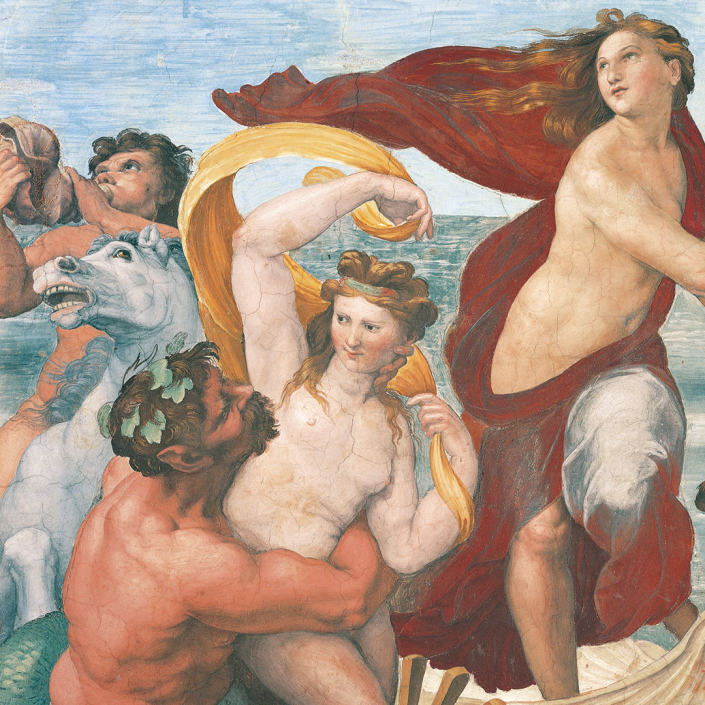
Villa Farnesina, in collaboration with the Museum ODV Volunteer Association, presented Galatea and the beauty of touching art, an initiative that makes Raffaello Sanzio’s famous Triumph of Galatea accessible to all through a 3D reproduction of the fresco.

The Museum Association, active in Rome since 1994, is dedicated to promoting Italian cultural heritage among people with disabilities, offering tools to make art more inclusive and accessible. The three-dimensional reproduction, measuring 60×50 cm, allows blind visitors to explore the work through touch. It also features a frame with Braille text, placed next to the original to ensure a more immersive experience.

In addition to the tactile experience, the table includes a QR code that offers a dramatisation of the episode depicted, five texts in Braille and drawings based on the breakdown of the compositional planes of the work. To further enhance accessibility, the QR code also provides simplified texts for deaf people. This project is part of a series of initiatives aimed at promoting cultural enjoyment and accessibility, with a particular focus on people with visual and hearing impairments.

Artesìa

NEXT GENERATION EU project

In collaboration with Anffas Nazionale, the National Association of Families and People with Intellectual Disabilities and Neurodevelopmental Disorders, Villa Farnesina is participating in the “Info Point” project – Accessibility and usability of information in cultural venues – Equal rights and opportunities for people with intellectual disabilities and neurodevelopmental disorders.

‘Info Point’, presented by Anffas Nazionale as part of the NGEU Next Generation EU Project through funds allocated to the PNRR (National Recovery and Resilience Plan), aims to promote the paradigm introduced by the UN Convention on the Rights of Persons with Disabilities on “universal accessibility”, in full compliance with Articles 9 (Accessibility) and 21 (Freedom of expression and opinion and access to information).

This initiative, targeting various cultural sites in the city of Rome, aims to break down barriers, not only physical ones, but also sensory, perceptual, communicative and informational ones, through the creation of content, primarily digital, that uses easy-to-read language and Augmentative and Alternative Communication, while also providing training support via a digital platform.

PROJECTS

Artesìa – Inclusività in Villa (Artesìa – Inclusiveness in the Villa) was created with the aim of transforming the museum and, more generally, the cultural environment into a truly open and welcoming space, where the artistic experience is not only an aesthetic pleasure but also an opportunity for well-being for all. The project includes a series of workshops and interactive activities aimed at making the frescoed rooms of the Villa and its gardens accessible, with a particular focus on the needs of visitors in terms of accessibility and inclusion.

The name Artesìa comes from the fusion of two key concepts: Arte (Art) and Sia (Be), symbolising the encounter between art and being, the profound expression of human identity and essence. With this in mind, the project offers two paths dedicated to museum inclusion, with the aim of expanding the possibilities for enjoyment and participation.

Artesìa

Museum Therapy Projects for Alzheimer’s

The initiative promotes a series of activities aimed specifically at people with dementia. Art, both visual and musical, can be a powerful therapeutic tool, capable of stimulating memory, emotions and communication.

Starting from the desire to make the museum a welcoming and accessible place for everyone, the Associazione Amici dell’Accademia dei Lincei has launched a pilot project that highlights the therapeutic value of art and creativity as complementary tools in treatment programmes.

So why does culture have such a profound impact on human wellbeing?

According to scholars, thinking is a side effect of the brain’s ability to integrate complex bodily functions. Culture provides a safe environment in which to exercise and improve our cognitive abilities.

Studies have shown that people with cultural habits have a life expectancy that is approximately two years longer than those who do not participate in cultural activities. For people with dementia, culture therefore becomes a particularly effective tool for survival.

The initiative promotes a series of activities aimed specifically at people with dementia. Art, both visual and musical, can be a powerful therapeutic tool, capable of stimulating memory, emotions and communication.

Starting from the desire to make the museum a welcoming and accessible place for everyone, the Associazione Amici dell’Accademia dei Lincei has launched a pilot project that highlights the therapeutic value of art and creativity as complementary tools in treatment programmes.

So why does culture have such a profound impact on human wellbeing?

According to scholars, thinking is a side effect of the brain’s ability to integrate complex bodily functions. Culture provides a safe environment in which to exercise and improve our cognitive abilities.

Studies have shown that people with cultural habits have a life expectancy that is approximately two years longer than those who do not participate in cultural activities. For people with dementia, culture therefore becomes a particularly effective tool for survival.

Artesìa

GALATEA the beauty of touching art

Villa Farnesina, in collaboration with the Museum ODV Volunteer Association, presented Galatea and the beauty of touching art, an initiative that makes Raffaello Sanzio’s famous Triumph of Galatea accessible to all through a 3D reproduction of the fresco.

The Museum Association, active in Rome since 1994, is dedicated to promoting Italian cultural heritage among people with disabilities, offering tools to make art more inclusive and accessible. The three-dimensional reproduction, measuring 60×50 cm, allows blind visitors to explore the work through touch. It also features a frame with Braille text, placed next to the original to ensure a more immersive experience.

In addition to the tactile experience, the table includes a QR code that offers a dramatisation of the episode depicted, five texts in Braille and drawings based on the breakdown of the compositional planes of the work. To further enhance accessibility, the QR code also provides simplified texts for deaf people. This project is part of a series of initiatives aimed at promoting cultural enjoyment and accessibility, with a particular focus on people with visual and hearing impairments.

Artesìa

NEXT GENERATION EU project

In collaboration with Anffas Nazionale, the National Association of Families and People with Intellectual Disabilities and Neurodevelopmental Disorders, Villa Farnesina is participating in the “Info Point” project – Accessibility and usability of information in cultural venues – Equal rights and opportunities for people with intellectual disabilities and neurodevelopmental disorders.

‘Info Point’, presented by Anffas Nazionale as part of the NGEU Next Generation EU Project through funds allocated to the PNRR (National Recovery and Resilience Plan), aims to promote the paradigm introduced by the UN Convention on the Rights of Persons with Disabilities on “universal accessibility”, in full compliance with Articles 9 (Accessibility) and 21 (Freedom of expression and opinion and access to information).

This initiative, targeting various cultural sites in the city of Rome, aims to break down barriers, not only physical ones, but also sensory, perceptual, communicative and informational ones, through the creation of content, primarily digital, that uses easy-to-read language and Augmentative and Alternative Communication, while also providing training support via a digital platform.