Curated by the Accademia Nazionale dei Lincei and the Special Superintendency for Archaeology, Fine Arts and Landscape of Rome.
The Archaeological Excavation in the Garden of Palazzo Corsini
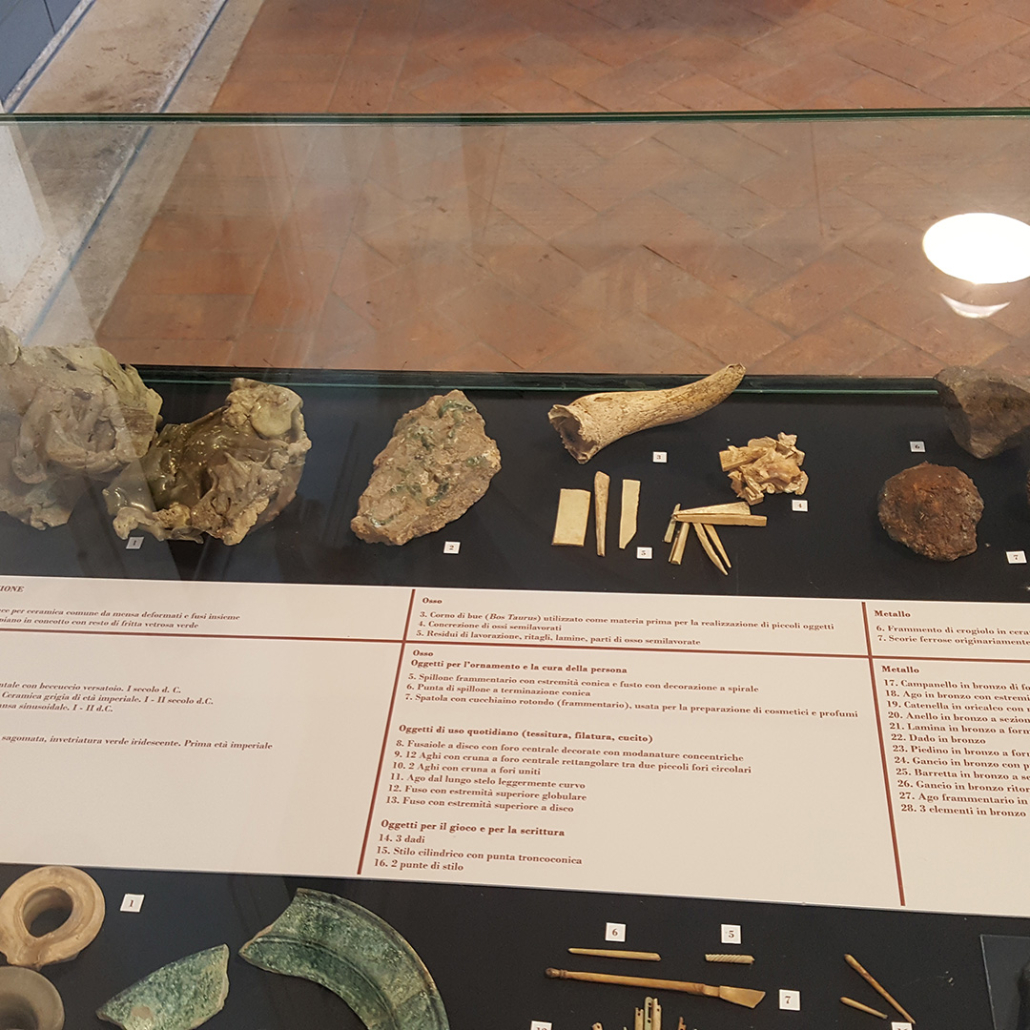
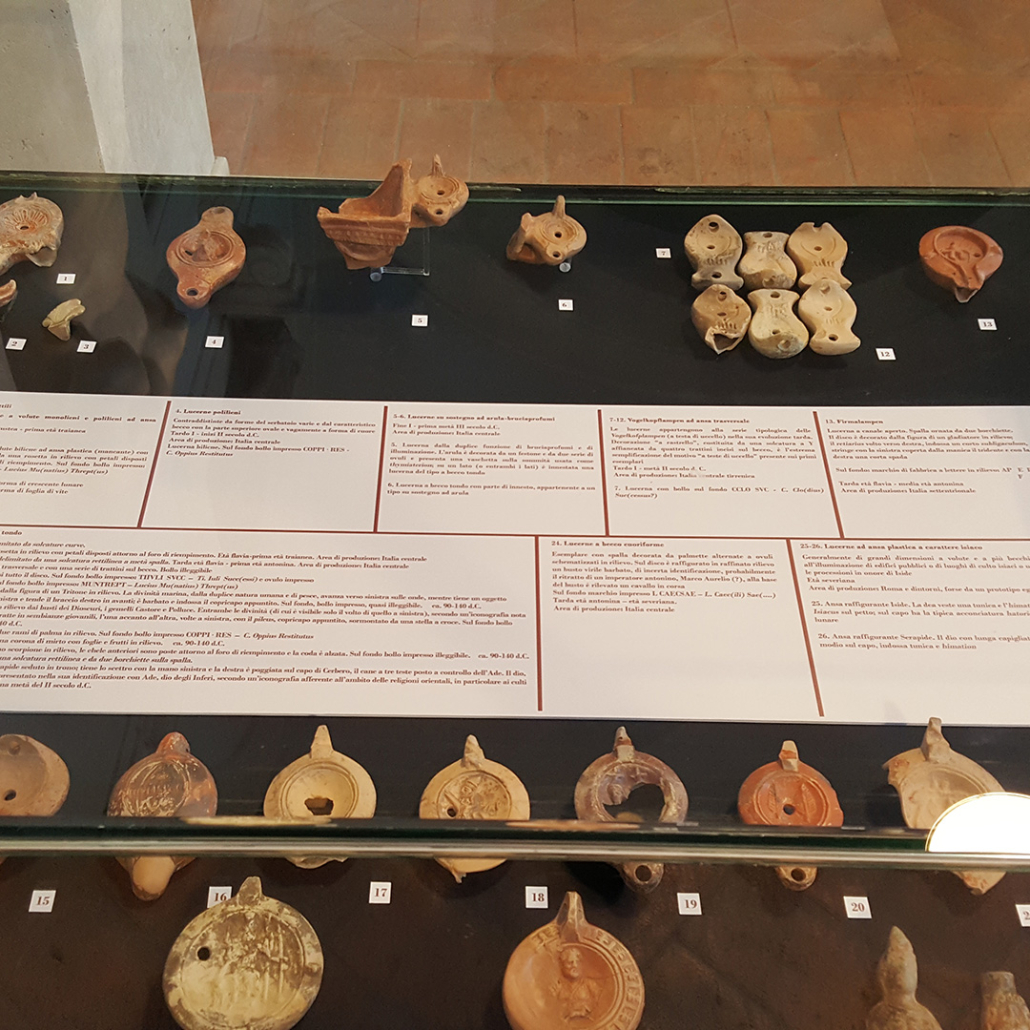
The exhibition The Archaeological Excavation in the Garden of Palazzo Corsini documented an extraordinary archaeological discovery in the heart of Trastevere. Within the eighteenth-century garden of Palazzo Corsini, home to the National Academy of the Lincei and facing Villa Farnesina, an ancient kiln dating from the 1st–3rd century AD was discovered in 2019. It was used for the production of pottery and glazed ceramics.
The discovery lies within an area that has always been strategic for ancient Rome, between the right bank of the Tiber and the slopes of the Janiculum Hill, which was occupied by patrician villas during the Augustan age.
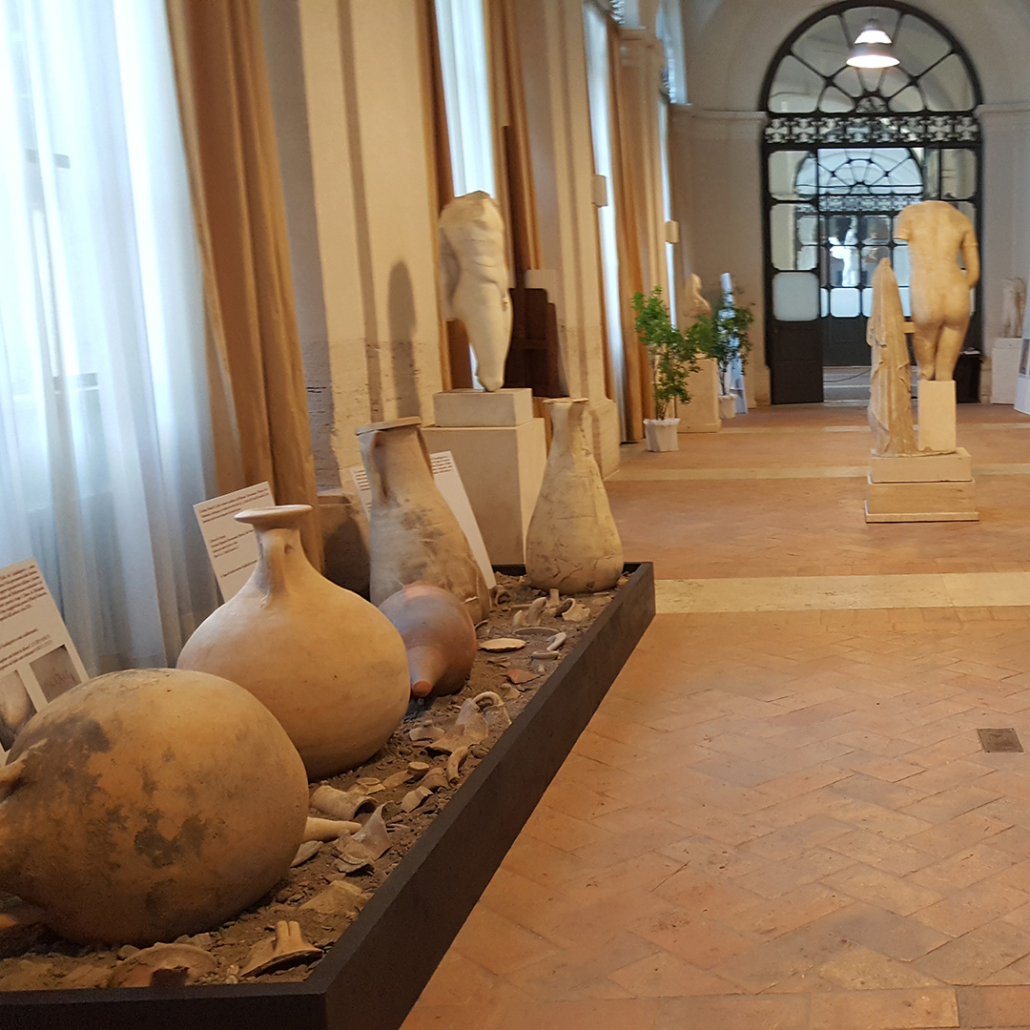
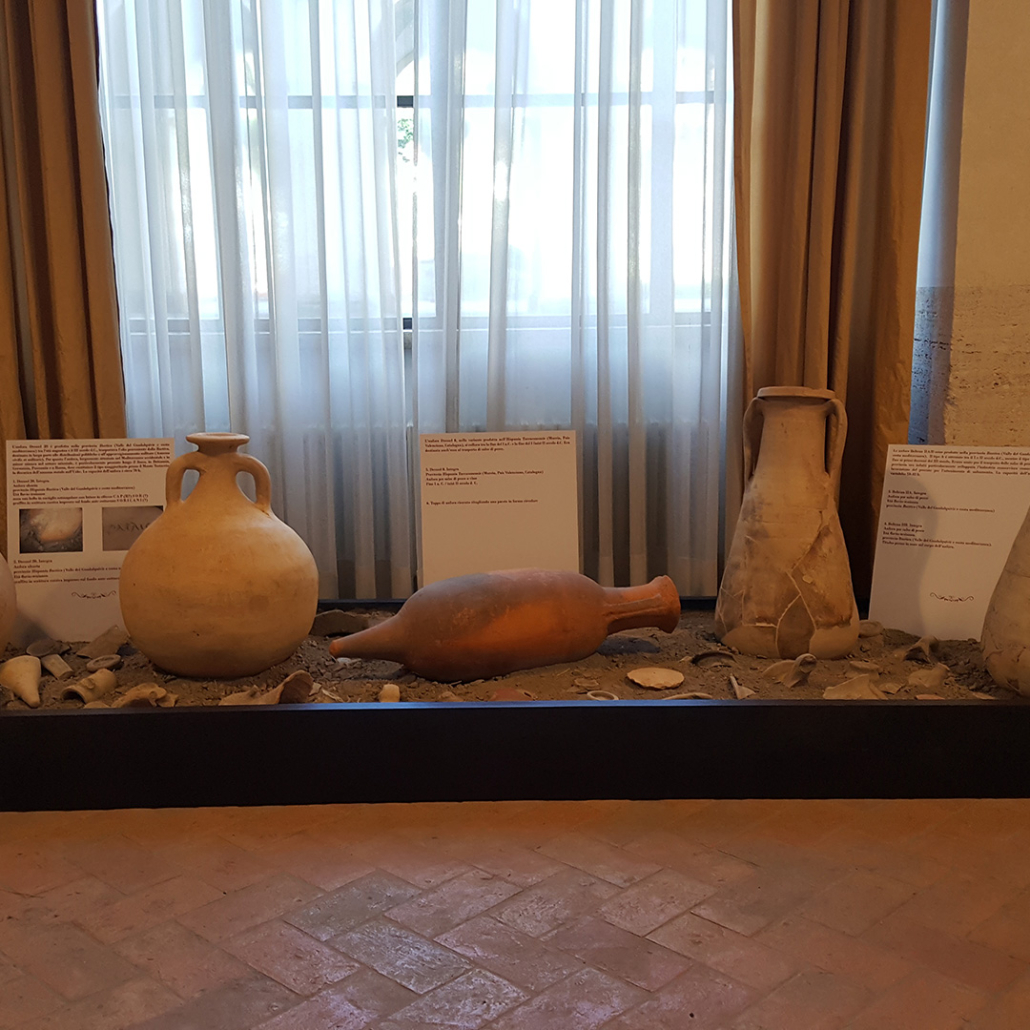
The exhibition also illustrated the discovery of a deposit of amphorae used for transporting oil, which were probably reused to collect rainwater flowing down from the Janiculum Hill, as it tended to stagnate near the river. Production facilities in such a central area of Rome had never been found before, highlighting a change in the use and function of this part of the city.