
Italian ingenuity triptych:
Leonardo 2019
Raphael 2020
Dante 2021
The Triptych of Italian Ingenuity is the series of initiatives with which the Accademia Nazionale dei Lincei intended to celebrate in a unified path the centenaries of Leonardo (2019), Raphael (2020) and Dante (2021).
These initiatives kicked off in 2019 with the exhibition Leonardo in Rome: influences and legacy while 2020, despite the pandemic Covid-2019, has been l’year of celebrations for the fifth centenary of the death of Raphael, cwith the exhibition Raphael in Villa Farnesina: Galatea and Psyche and the subsequent exhibition in 2023, Raphael and the Ancient in the Villa of Agostino Chigi..
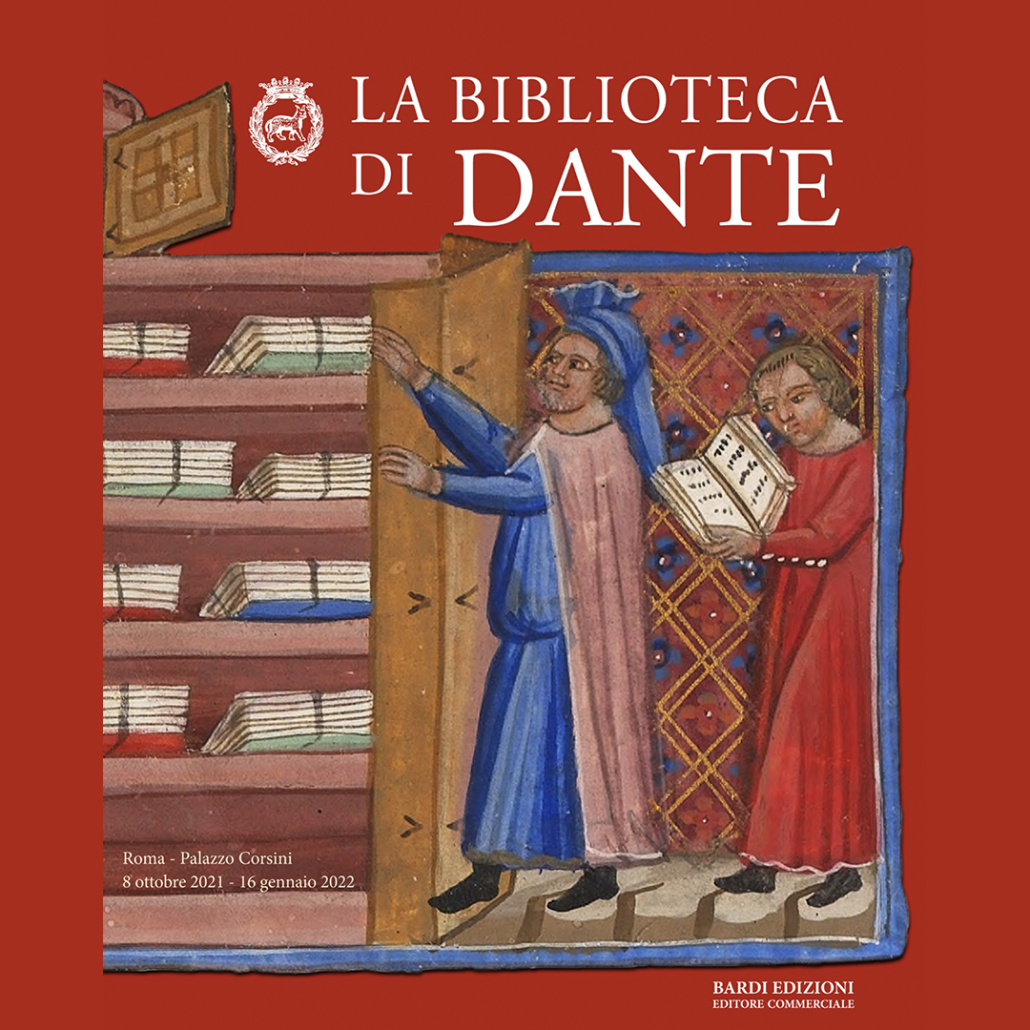
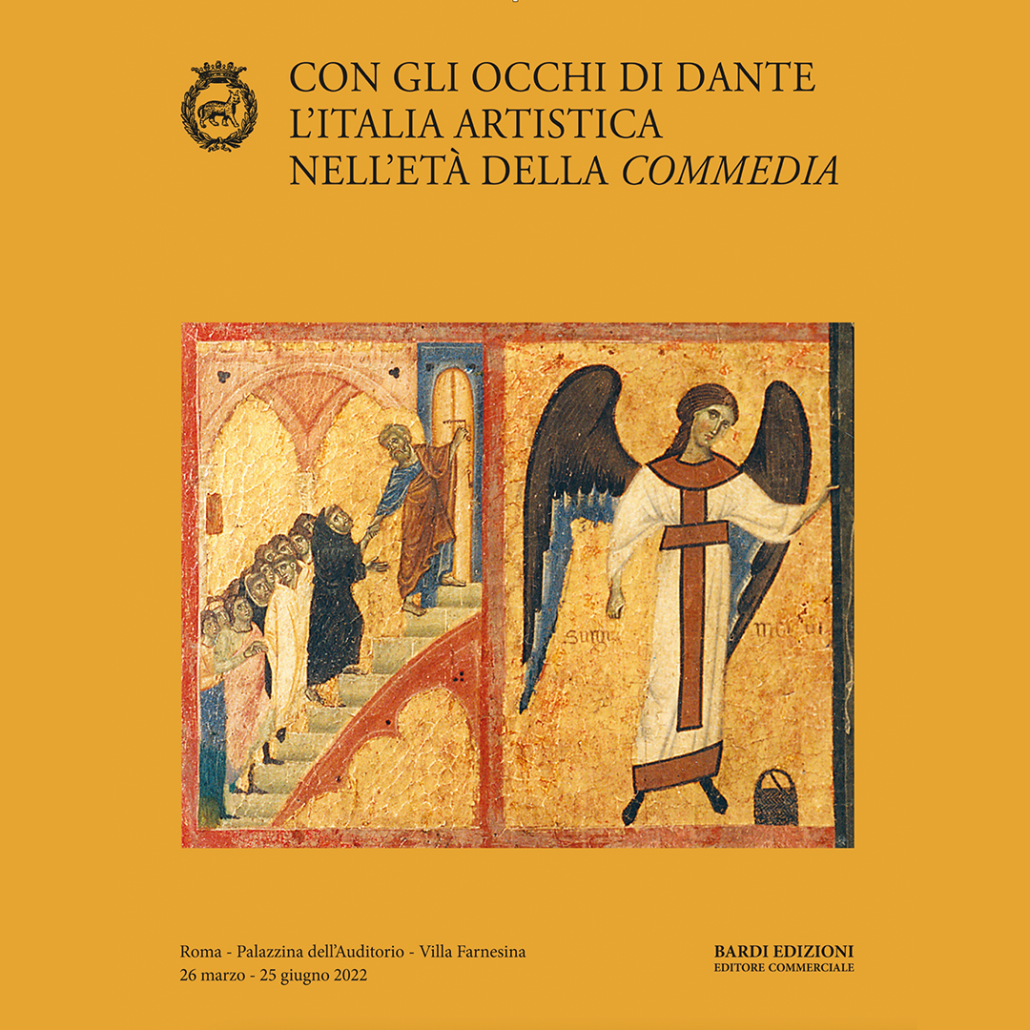
The events were concluded between 2021 and 2022 with three exhibitions dedicated to Dante: Dante’s Library, The reception of the Comedy from manuscripts to media e Through Dante’s Eyes. Artistic Italy in the Age of the Comedy., qhe latter set up in the Palazzina dell’Auditorio in the Villa Farnesina grounds.
Alongside to the exhibitions a series of international conferences and symposia have contributed to deepen and spread knowledge about these three great figures of Italian culture.
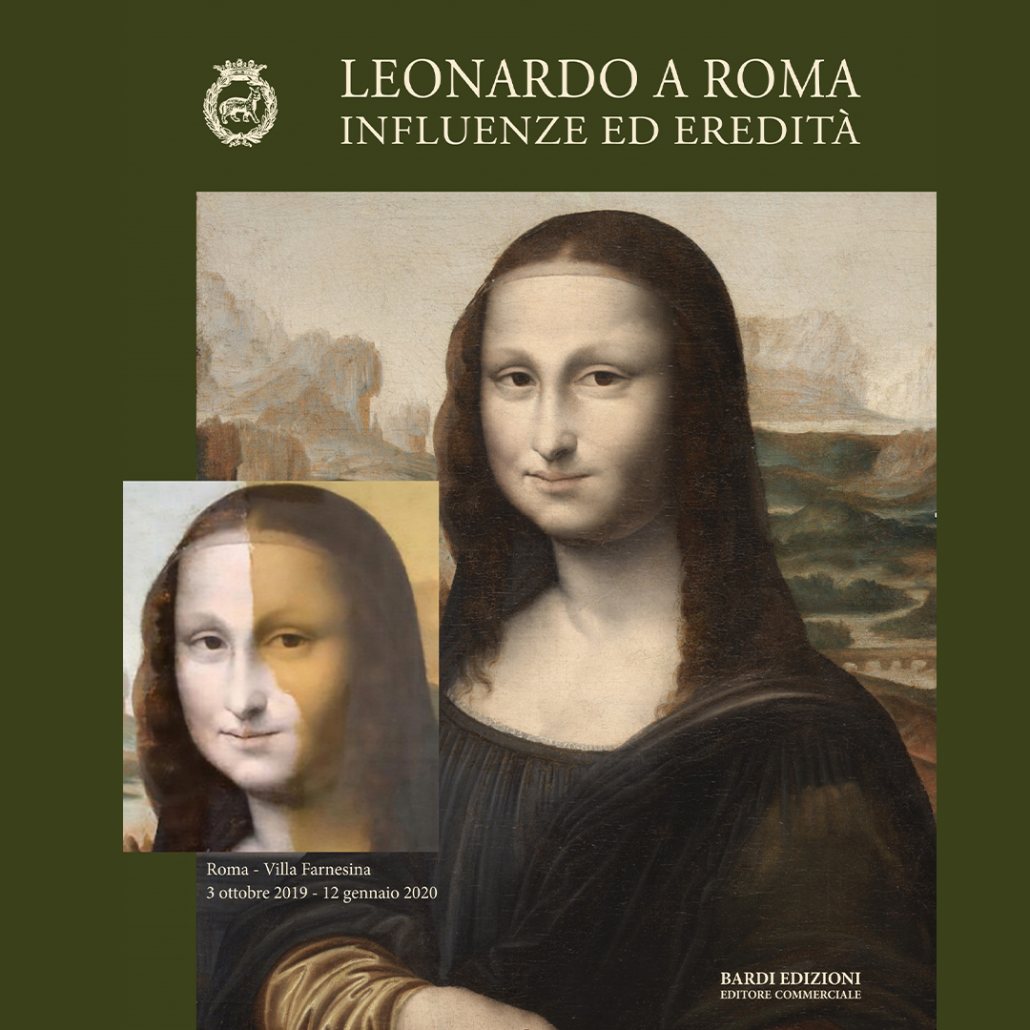
Leonardo in Rome. Influences and legacies
October 4, 2019 – January 12, 2020
Edited by: Roberto Antonelli and Antonio Forcellino
The exhibition. Leonardo in Rome. Influences and Legacy., produced under the High Patronage of the President of the Republic by the Accademia Nazionale dei Lincei and the Primoli Foundation, curated by Roberto Antonelli and Antonio Forcellino, is sponsored and financed by the National Committee for the Celebrations of the 500th Anniversary of the Death of Leonardo da Vinci and Intesa Sanpaolo.
The exhibition illustrated Leonardo’s relationship with Rome, his scientific and artistic studies, and mutual influences with Raphael.
Four works from public collections in need of restoration were restored for the exhibition: The Torlonia Mona Lisa, oil on panel painting later transported to canvas (Bottega di Leonardo with possible intervention by Leonardo himself), Rome, Gallerie Nazionali di Arte Antica, on deposit since 1925 in the Camera dei Deputati; St. John the Baptist, workshop of Leonardo, c. 1503-1508, oil painting on panel, Rome, Galleria Borghese; The Naked Mona Lisa, on cardboard by Leonardo, oil painting on canvas, Rome, Primoli Foundation and Salvator Mundi Of the Basilica of San Domenico Maggiore in Naples.
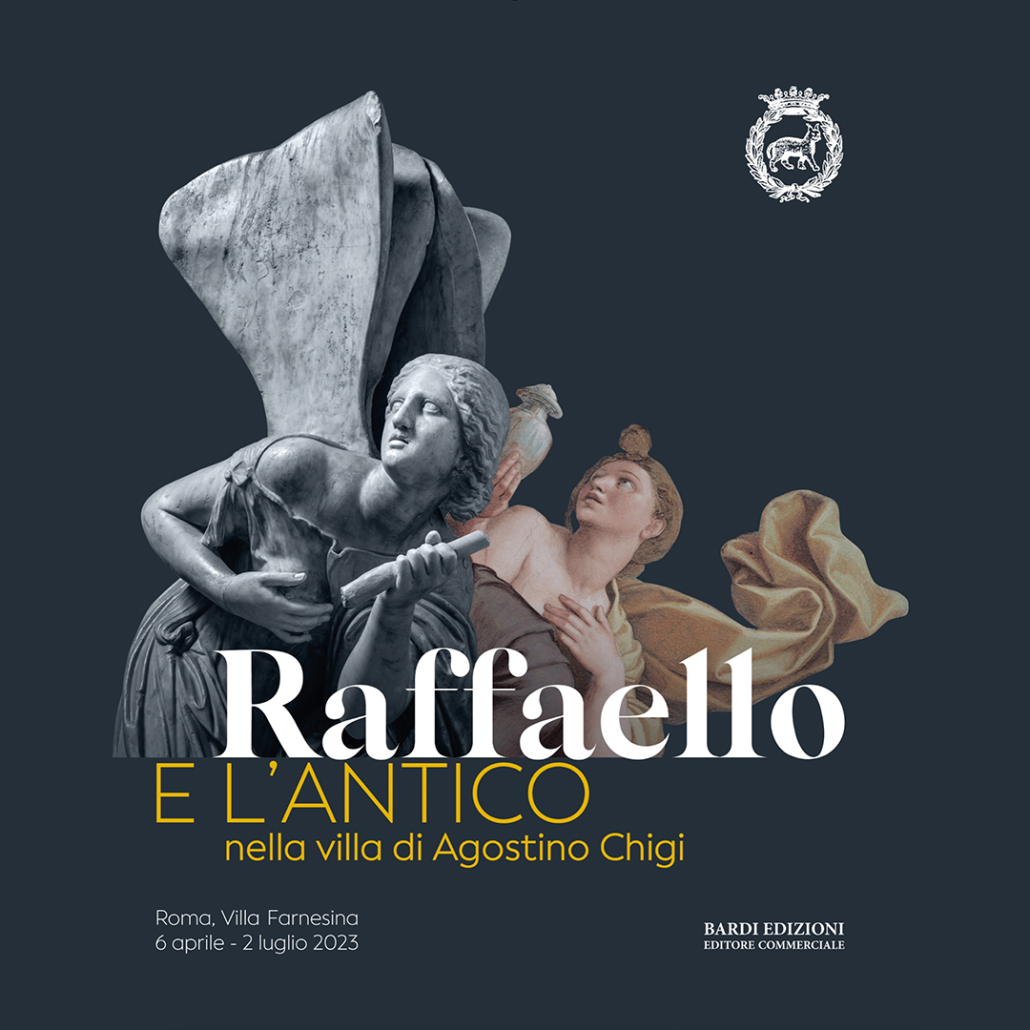
Raffaello e l’antico nella villa di Agostino Chigi
April 6-July 2, 2023 (postponed due to health emergency from Covid-19)
Edited by: Alessandro Zuccari and Costanza Barbieri
The exhibition Raphael and the Ancient in the Villa of Agostino Chigi closed the Lyncean celebrations of the Triptych of Italian Ingenuityo.
The exhibition – under the High Patronage of the President of the Republic, under the patronage of the National Committee for the Celebration of the 500th Anniversary of the Death of Raphael and the Friends of the Accademia dei Lincei Association, in collaboration with the Ministry of Culture and with the support of Intesa Sanpaolo – has highlighted in light a crucial aspect of the Italian Renaissance: while Raphael’s classical turn in the second decade of the 16th century is well known thanks to numerous studies, little attention had been paid to the influence that Agostino Chigi’s important collection of statues, sarcophagi, cameos, reliefs, books and ancient coins had on the Urbino.
Chigi and Raphael, who died just five days apart in April 1520, shared a deep understanding based on friendship and work: after Popes Julius II and Leo X, the Sienese banker was Sanzio’s most assiduous and munificent patron.
Raphael in Villa Farnesina: Galatea and Psyche
Oct. 6, 2020-Jan. 6, 2021 (postponed due to health emergency from Covid-19)
Edited by: Antonio Sgamellotti and Virginia Lapenta
The exhibition Raphael in the Villa Farnesina: Galatea and Psyche presented the results of the most recent scientific investigations on the Triumph of Galatea, in particular the surprising discovery of the extensive use of Egyptian blue.
In fact, it has been found throughout the sky, the sea and even in Galatea’s eyes, the first artificial blue in art history and one of the first pigments ever of non-natural origin. Its manufacture dates back to the Egyptians, and it was extremely widespread throughout antiquity until the Roman Empire, after which its traces were lost.
Raphael’s extensive use of them rules out an employment of occasionally found archaeological material and rather indicates the artist’s precise desire to resort to the pictorial materials of antiquity in order to portray a mythological subject. The exhibition also unveiled unpublished preparatory drawings, hidden by 19th-century draperies, and delved into the design phase of the Loggia of Cupid and Psyche. The section The Tale of Cupid and Psyche in the graphic translation of the Royal Chalcography.
Drawings, photographs, matrices, in collaboration with the Istituto Centrale per la Grafica, illustrated the last phase of the historical journey of classical Italian engraving, which, from its origins, drew from the work of Raphael and his school.
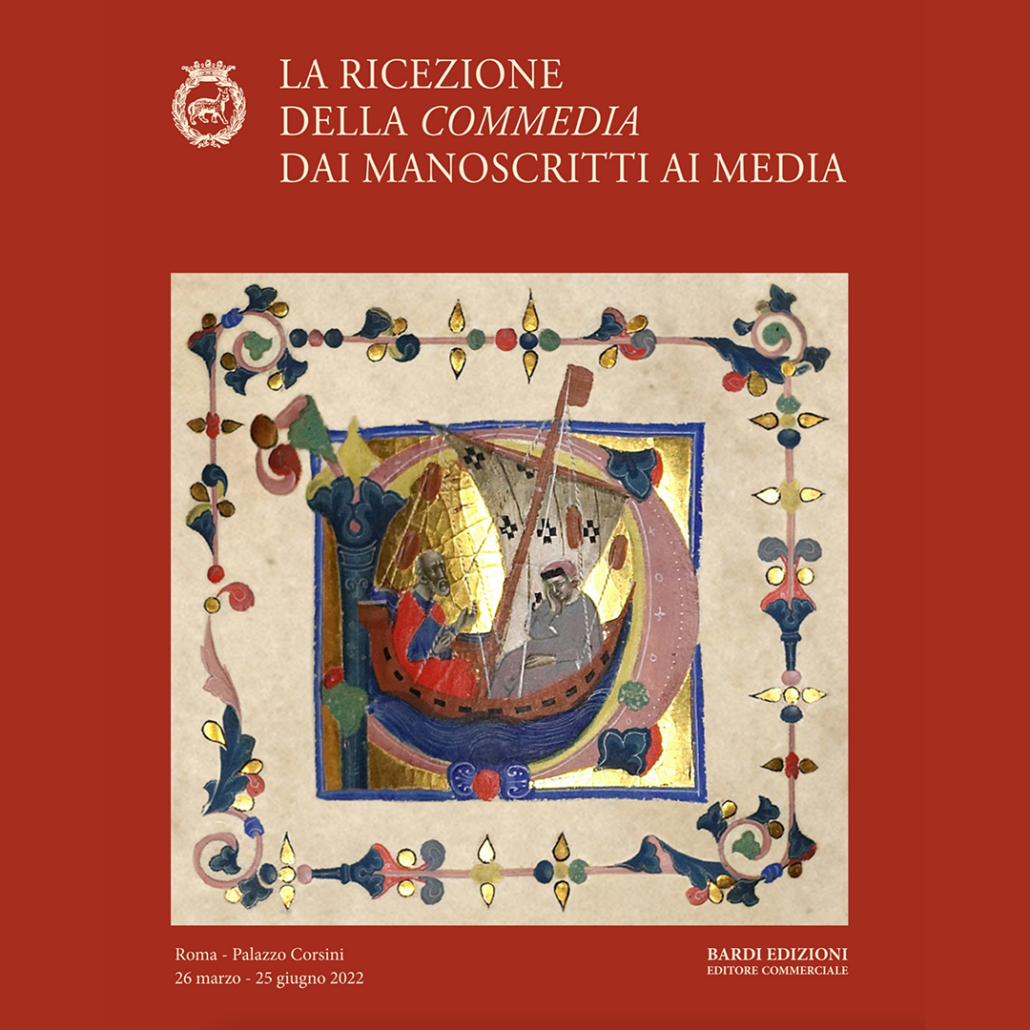
The Comedy from creation to reception
March 26-June 25, 2022 (postponed due to health emergency from Covid-19)
The events have concluded the Dante year and the Accademia Nazionale dei Lincei’s efforts to celebrate the 700th anniversary of Dante’s death and constituted the second part of the Triptych of Italian Ingenuity 2019 – 2021, dedicated by the Academy to the anniversaries of Leonardo, Raphael and Dante with the support of the Ministry of Culture and Intesa Sanpaolo.
The reception of the Comedy from manuscripts to the media concluded in turn a journey that began with the first exhibition, dedicated to Dante’s Library, and continued through two complementary events: Landscapes and Characters of the Comedy.
A digital iconography and the docufilm Dante’s Ways. Artistic Italy at the Time of Comedy.. The latter was screened alongside the exhibition With Dante’s Eyes. Artistic Italy in the Age of Comedy., a kind of “library” of the artistic knowledge that the poet deploys in his works.
It was intended in this way to celebrate the 700th anniversary of the poet’s death in as integrated and at the same time in-depth a manner as possible: that is, one that would meet the expectations of the broader public and specialists (who were also called upon to discuss at two major international conferences).