
 https://www.villafarnesina.it/wp-content/uploads/2026/01/Villa_Farnesina_exhibition_01.jpg
1084
1080
Federica
https://www.villafarnesina.it/wp-content/uploads/2025/11/villa_farnesina_logo_light_right.png
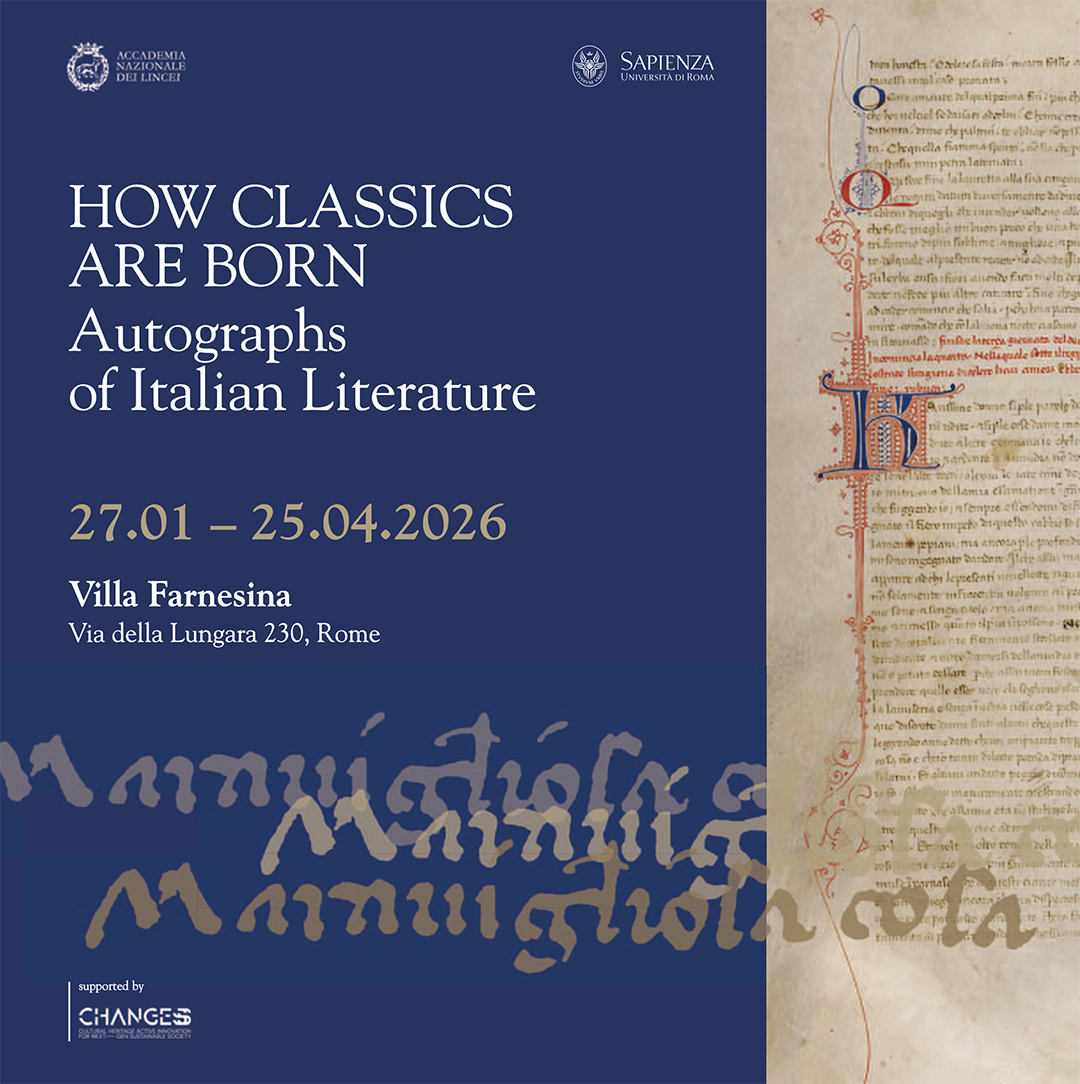
Federica2026-01-08 12:16:312026-02-16 10:32:38Come nascono i classici
https://www.villafarnesina.it/wp-content/uploads/2026/01/Villa_Farnesina_exhibition_01.jpg
1084
1080
Federica
https://www.villafarnesina.it/wp-content/uploads/2025/11/villa_farnesina_logo_light_right.png
Federica2026-01-08 12:16:312026-02-16 10:32:38Come nascono i classici
https://www.villafarnesina.it/wp-content/uploads/2026/01/Villa_Farnesina_exhibition_01.jpg
1084
1080
Federica
https://www.villafarnesina.it/wp-content/uploads/2025/11/villa_farnesina_logo_light_right.png
Federica2026-01-08 12:16:312026-02-16 10:32:38Come nascono i classici
https://www.villafarnesina.it/wp-content/uploads/2026/01/Villa_Farnesina_exhibition_01.jpg
1084
1080
Federica
https://www.villafarnesina.it/wp-content/uploads/2025/11/villa_farnesina_logo_light_right.png
Federica2026-01-08 12:16:312026-02-16 10:32:38Come nascono i classici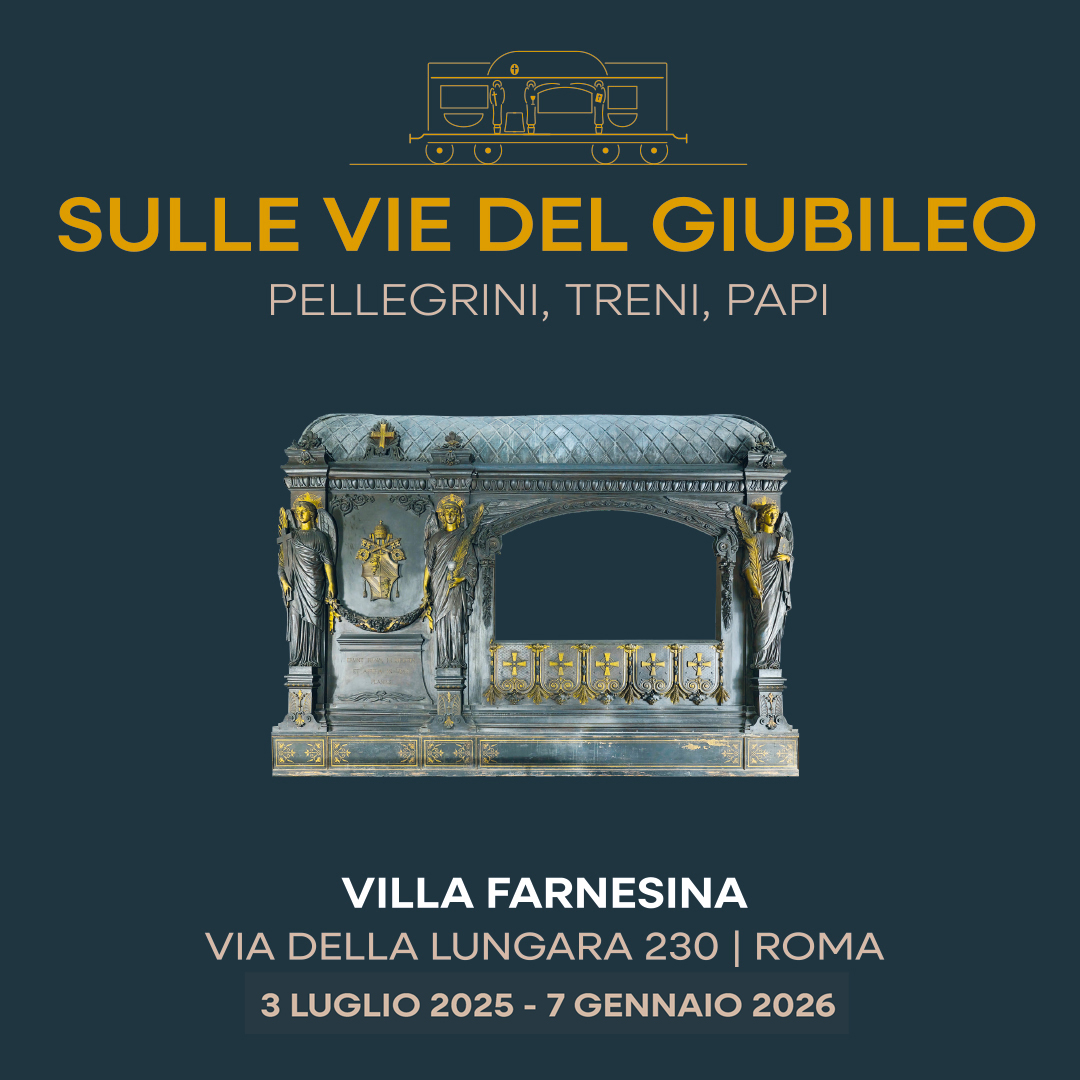 https://www.villafarnesina.it/wp-content/uploads/2025/07/testata_1080x1080-1.jpg
1080
1080
Federica
https://www.villafarnesina.it/wp-content/uploads/2025/11/villa_farnesina_logo_light_right.png
Federica2025-07-29 05:12:272026-02-16 09:39:51On the Paths of the Jubilee
https://www.villafarnesina.it/wp-content/uploads/2025/07/testata_1080x1080-1.jpg
1080
1080
Federica
https://www.villafarnesina.it/wp-content/uploads/2025/11/villa_farnesina_logo_light_right.png
Federica2025-07-29 05:12:272026-02-16 09:39:51On the Paths of the Jubilee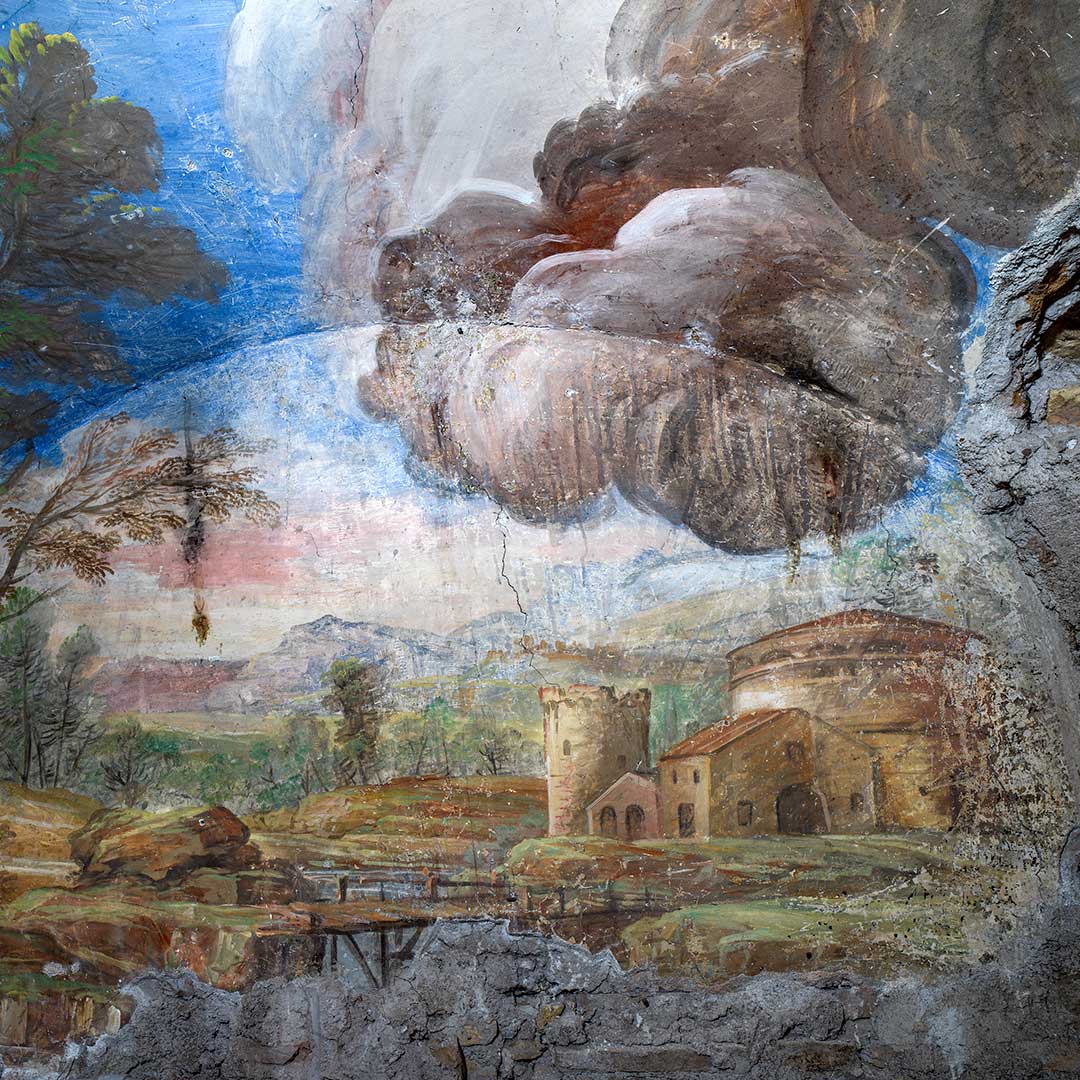 https://www.villafarnesina.it/wp-content/uploads/2025/07/villa_farnesina_mostre_seicento_05_luigispina.jpg
1080
1080
Federica
https://www.villafarnesina.it/wp-content/uploads/2025/11/villa_farnesina_logo_light_right.png
Federica2025-07-29 05:11:432025-11-03 10:13:21The Seventeenth Century in Villa Farnesina
https://www.villafarnesina.it/wp-content/uploads/2025/07/villa_farnesina_mostre_seicento_05_luigispina.jpg
1080
1080
Federica
https://www.villafarnesina.it/wp-content/uploads/2025/11/villa_farnesina_logo_light_right.png
Federica2025-07-29 05:11:432025-11-03 10:13:21The Seventeenth Century in Villa FarnesinaPast exhibitions
 https://www.villafarnesina.it/wp-content/uploads/2025/07/Baruchello_1080x1080_06.jpg
1080
1080
Federica
https://www.villafarnesina.it/wp-content/uploads/2025/11/villa_farnesina_logo_light_right.png
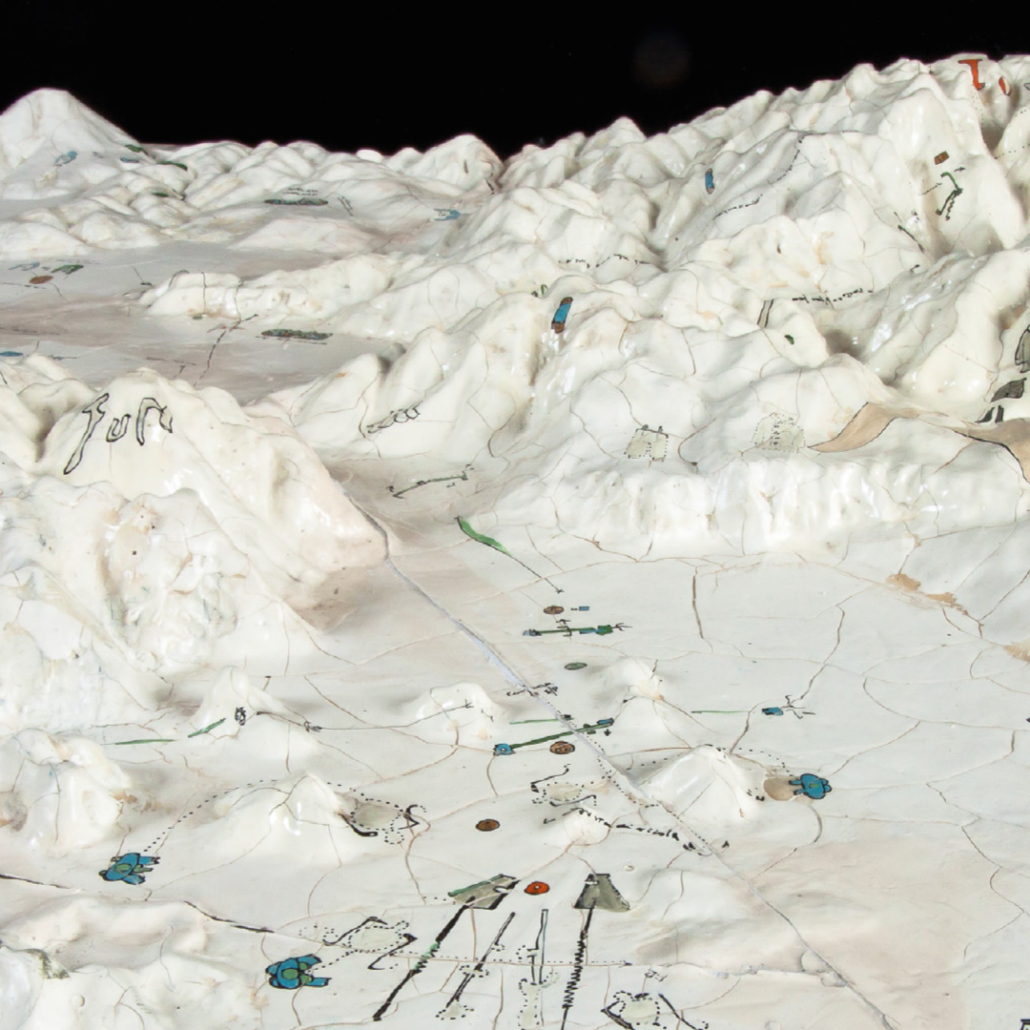
Federica2025-07-29 07:01:042025-11-18 13:41:44Gianfranco Baruchello. Possible Worlds
https://www.villafarnesina.it/wp-content/uploads/2025/07/Baruchello_1080x1080_06.jpg
1080
1080
Federica
https://www.villafarnesina.it/wp-content/uploads/2025/11/villa_farnesina_logo_light_right.png
Federica2025-07-29 07:01:042025-11-18 13:41:44Gianfranco Baruchello. Possible Worlds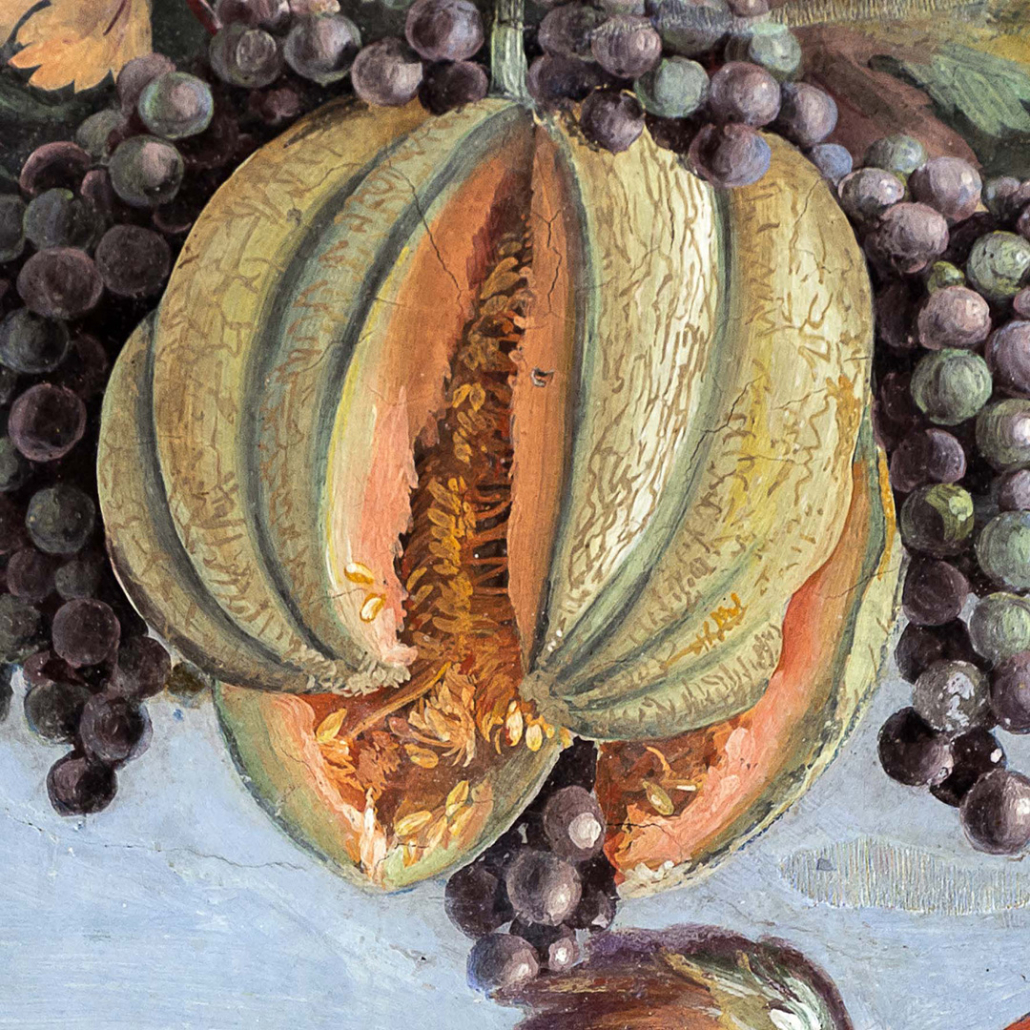 https://www.villafarnesina.it/wp-content/uploads/2025/07/Prosperita_1080x1080_01.jpg
1080
1080
Federica
https://www.villafarnesina.it/wp-content/uploads/2025/11/villa_farnesina_logo_light_right.png
Federica2025-07-29 05:15:002025-10-31 12:14:56The Colors of Prosperity: Fruits of the Old and New World
https://www.villafarnesina.it/wp-content/uploads/2025/07/Prosperita_1080x1080_01.jpg
1080
1080
Federica
https://www.villafarnesina.it/wp-content/uploads/2025/11/villa_farnesina_logo_light_right.png
Federica2025-07-29 05:15:002025-10-31 12:14:56The Colors of Prosperity: Fruits of the Old and New World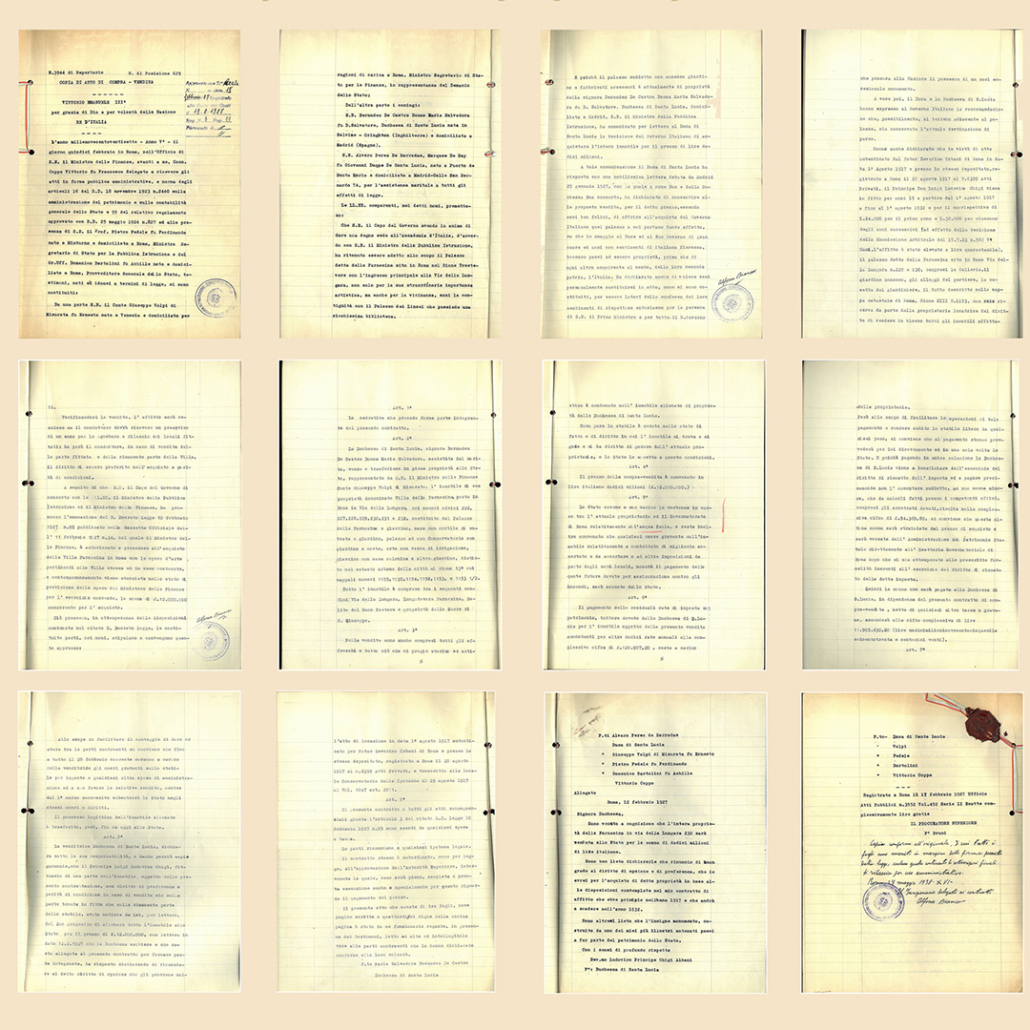 https://www.villafarnesina.it/wp-content/uploads/2025/07/Album_anni30_img_01.jpg
1080
1080
Federica
https://www.villafarnesina.it/wp-content/uploads/2025/11/villa_farnesina_logo_light_right.png
Federica2025-07-29 05:14:492025-10-31 12:17:04Villa Farnesina 1927–1944: Restoration Exhibition by Engineer Giovanni Massari
https://www.villafarnesina.it/wp-content/uploads/2025/07/Album_anni30_img_01.jpg
1080
1080
Federica
https://www.villafarnesina.it/wp-content/uploads/2025/11/villa_farnesina_logo_light_right.png
Federica2025-07-29 05:14:492025-10-31 12:17:04Villa Farnesina 1927–1944: Restoration Exhibition by Engineer Giovanni Massari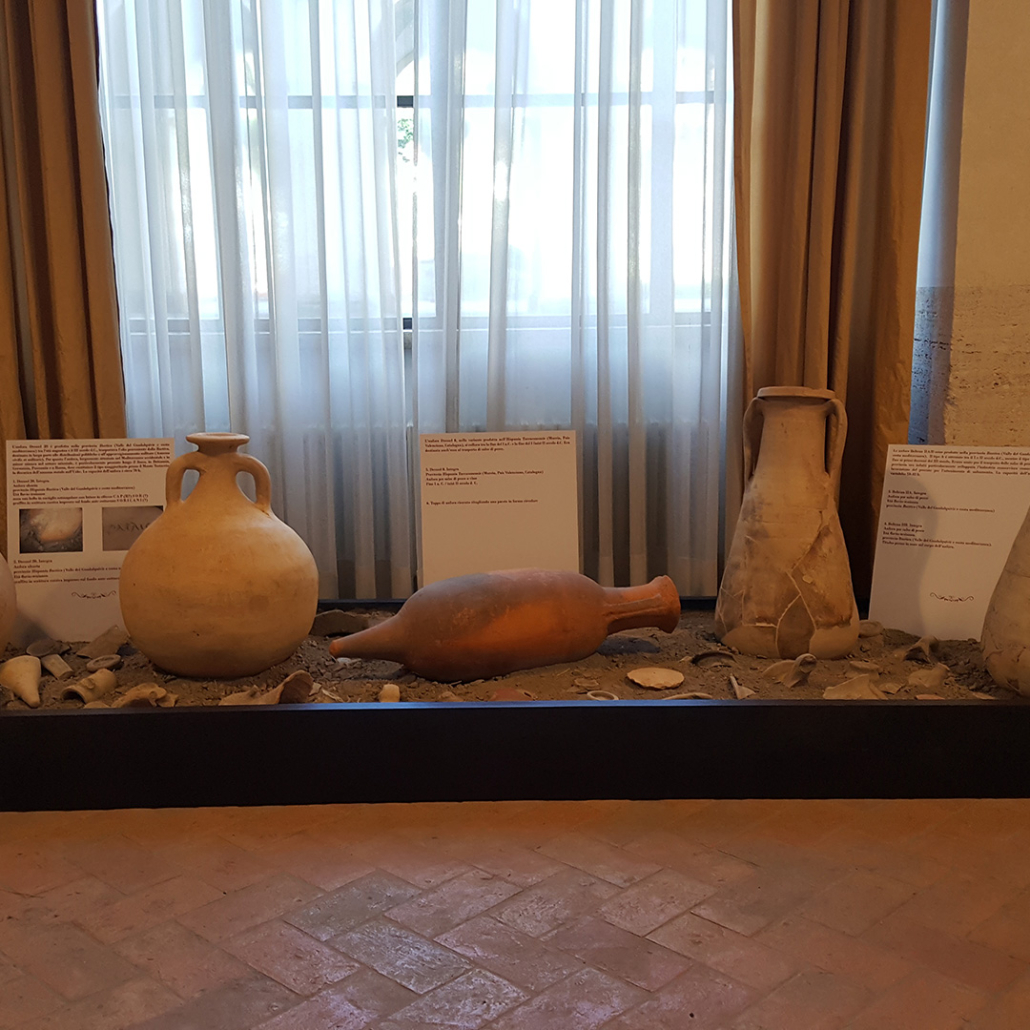 https://www.villafarnesina.it/wp-content/uploads/2025/07/Scavo_Palazzo_Corsini_1080x1080_03.jpg
1080
1080
Federica
https://www.villafarnesina.it/wp-content/uploads/2025/11/villa_farnesina_logo_light_right.png
Federica2025-07-29 05:14:312025-10-31 12:20:39The Archaeological Excavation in the Garden of Palazzo Corsini
https://www.villafarnesina.it/wp-content/uploads/2025/07/Scavo_Palazzo_Corsini_1080x1080_03.jpg
1080
1080
Federica
https://www.villafarnesina.it/wp-content/uploads/2025/11/villa_farnesina_logo_light_right.png
Federica2025-07-29 05:14:312025-10-31 12:20:39The Archaeological Excavation in the Garden of Palazzo Corsini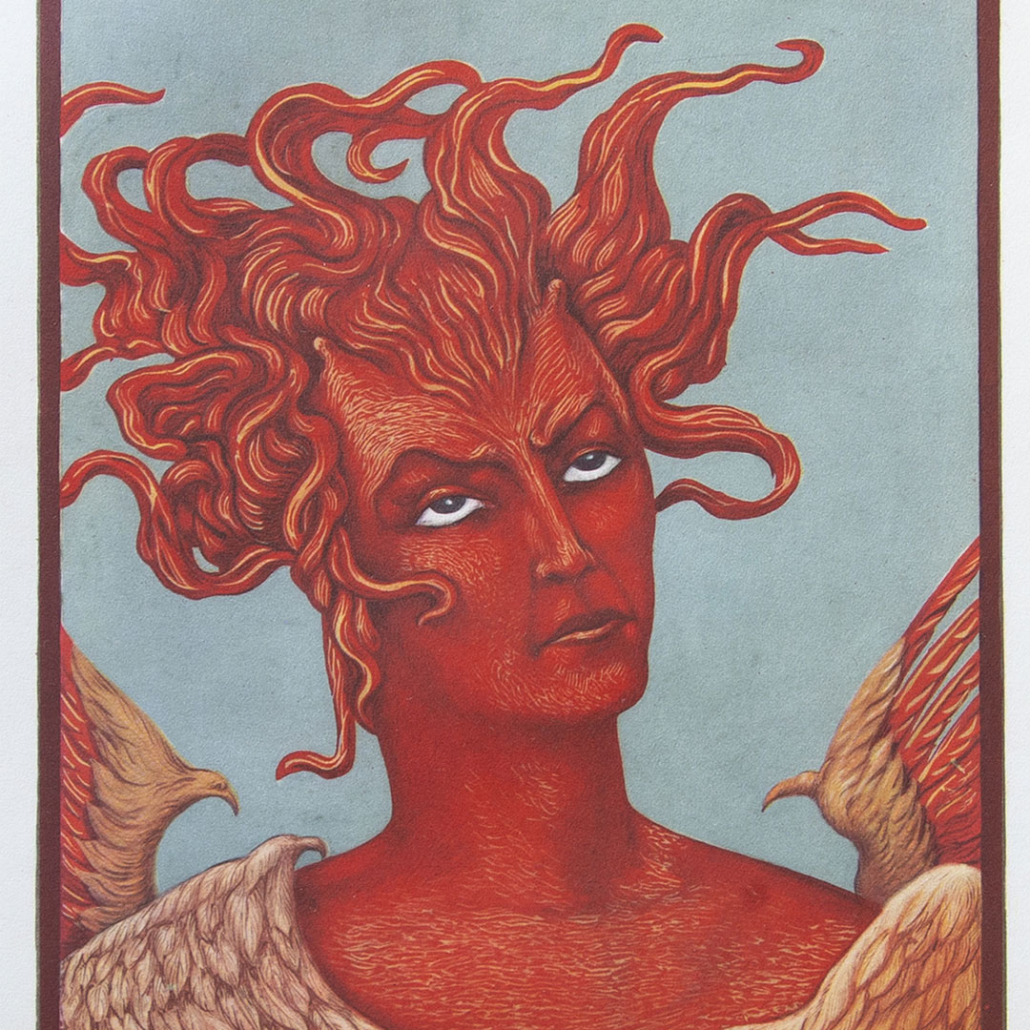 https://www.villafarnesina.it/wp-content/uploads/2025/07/villa_farnesina_mostre_trittico_del_centenario_03.jpg
1080
1080
Federica
https://www.villafarnesina.it/wp-content/uploads/2025/11/villa_farnesina_logo_light_right.png
Federica2025-07-29 05:14:142025-10-31 12:24:19The Centenary Triptych: Leonardo 1919, Raphael 1920, Dante 1921
https://www.villafarnesina.it/wp-content/uploads/2025/07/villa_farnesina_mostre_trittico_del_centenario_03.jpg
1080
1080
Federica
https://www.villafarnesina.it/wp-content/uploads/2025/11/villa_farnesina_logo_light_right.png
Federica2025-07-29 05:14:142025-10-31 12:24:19The Centenary Triptych: Leonardo 1919, Raphael 1920, Dante 1921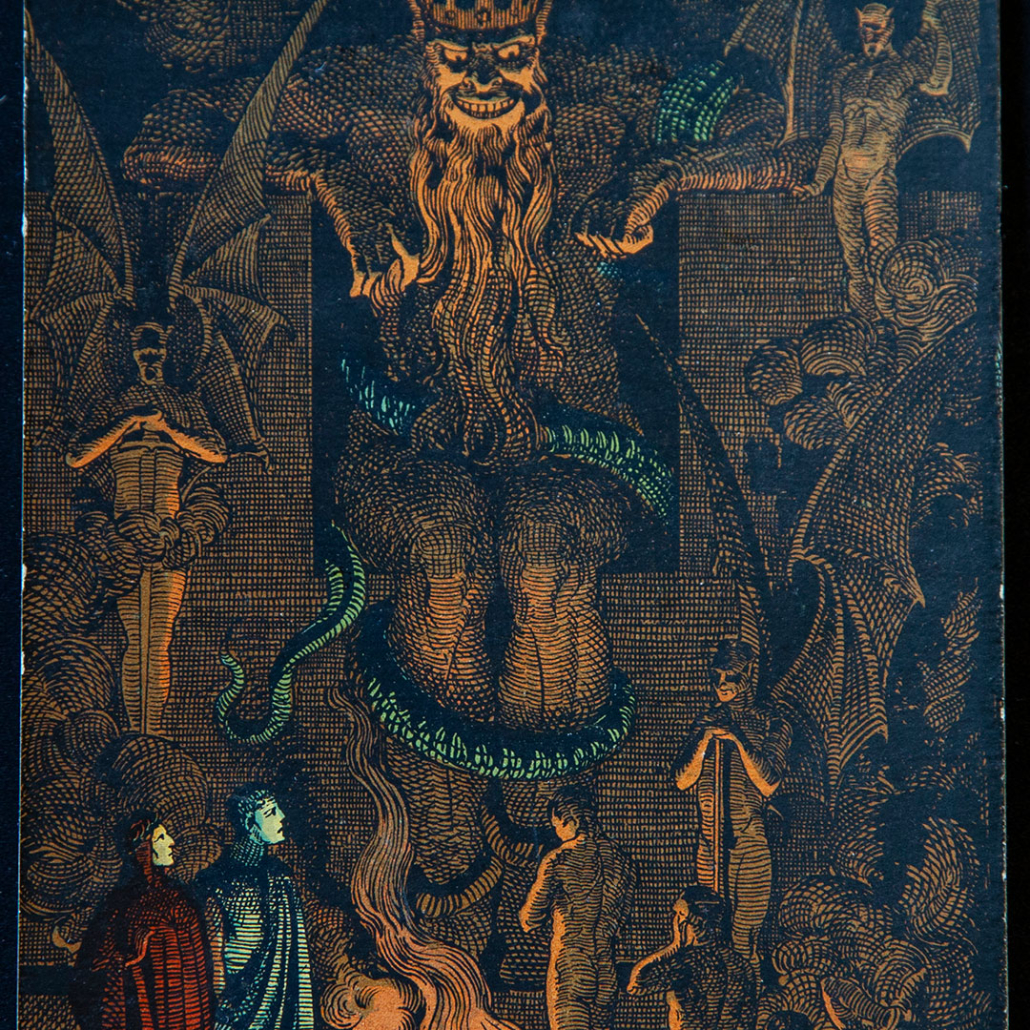 https://www.villafarnesina.it/wp-content/uploads/2025/07/villa_farnesina_mostre_trittico_ingegno_italiano_01.jpg
1080
1080
Federica
https://www.villafarnesina.it/wp-content/uploads/2025/11/villa_farnesina_logo_light_right.png
Federica2025-07-29 05:13:492026-01-27 13:28:23Italian Ingenuity Triptych Leonardo 2019 – Raphael 2020- Dante 2021
https://www.villafarnesina.it/wp-content/uploads/2025/07/villa_farnesina_mostre_trittico_ingegno_italiano_01.jpg
1080
1080
Federica
https://www.villafarnesina.it/wp-content/uploads/2025/11/villa_farnesina_logo_light_right.png
Federica2025-07-29 05:13:492026-01-27 13:28:23Italian Ingenuity Triptych Leonardo 2019 – Raphael 2020- Dante 2021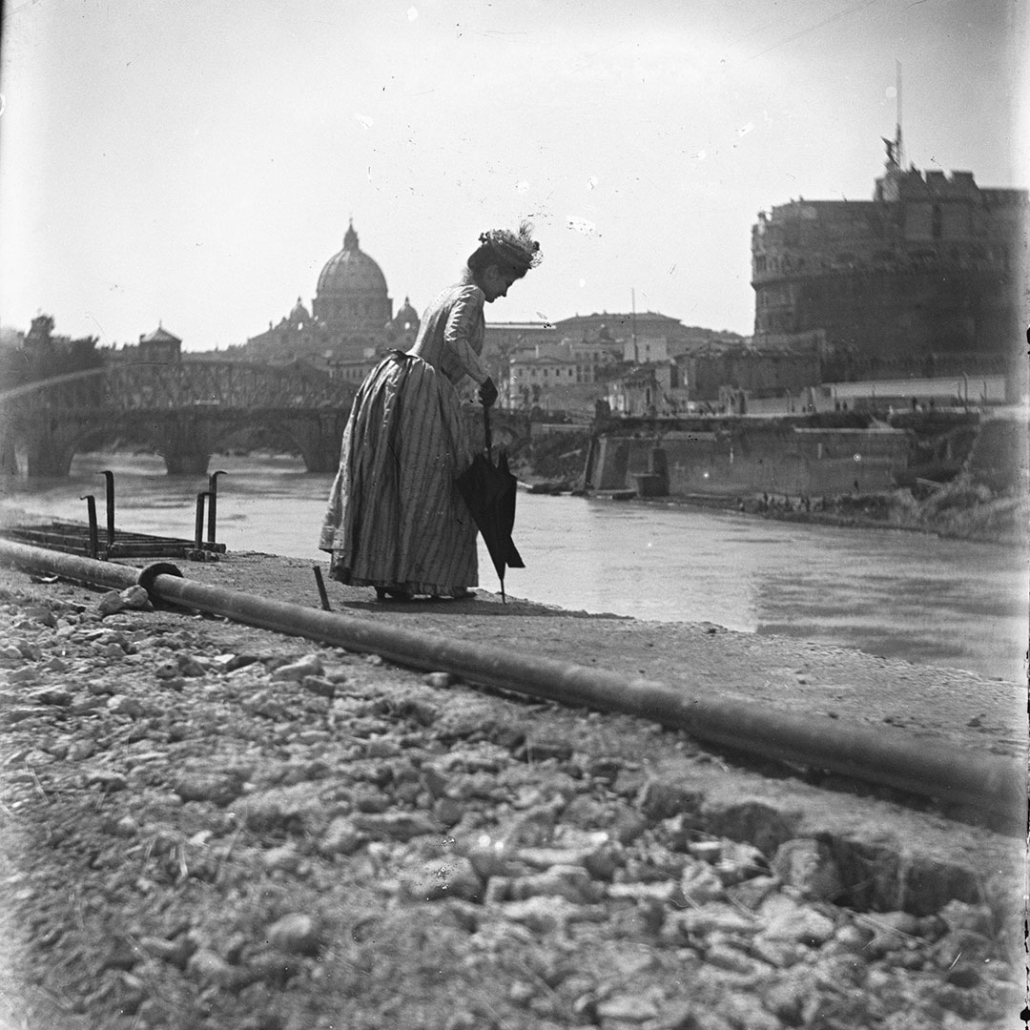 https://www.villafarnesina.it/wp-content/uploads/2025/07/Villa_Farnesina_mostre_ottocento_05.jpg
1080
1080
Federica
https://www.villafarnesina.it/wp-content/uploads/2025/11/villa_farnesina_logo_light_right.png
Federica2025-07-29 05:13:192026-01-27 13:28:45The Nineteenth Century at Villa Farnesina
https://www.villafarnesina.it/wp-content/uploads/2025/07/Villa_Farnesina_mostre_ottocento_05.jpg
1080
1080
Federica
https://www.villafarnesina.it/wp-content/uploads/2025/11/villa_farnesina_logo_light_right.png
Federica2025-07-29 05:13:192026-01-27 13:28:45The Nineteenth Century at Villa Farnesina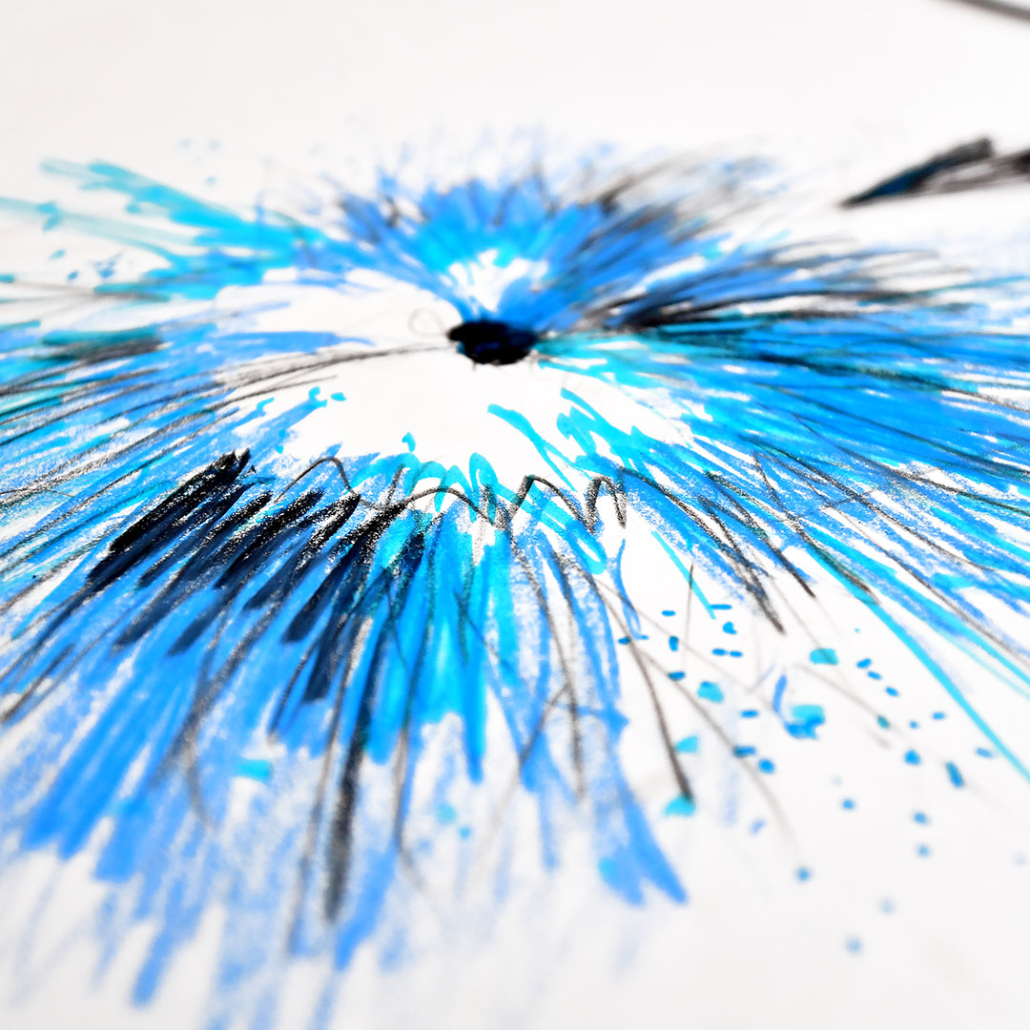 https://www.villafarnesina.it/wp-content/uploads/2025/07/villa_farnesina_plessi_06.jpg
1080
1080
Federica
https://www.villafarnesina.it/wp-content/uploads/2025/11/villa_farnesina_logo_light_right.png
Federica2025-07-29 05:12:192026-01-27 13:29:03Fabrizio Plessi. Poking holes in the sea
https://www.villafarnesina.it/wp-content/uploads/2026/01/Villa_Farnesina_exhibition_01.jpg
1084
1080
Federica
https://www.villafarnesina.it/wp-content/uploads/2025/11/villa_farnesina_logo_light_right.png
Federica2026-01-08 12:16:312026-02-16 10:32:38Come nascono i classici
https://www.villafarnesina.it/wp-content/uploads/2025/07/testata_1080x1080-1.jpg
1080
1080
Federica
https://www.villafarnesina.it/wp-content/uploads/2025/11/villa_farnesina_logo_light_right.png
Federica2025-07-29 05:12:272026-02-16 09:39:51On the Paths of the Jubilee
https://www.villafarnesina.it/wp-content/uploads/2025/07/villa_farnesina_mostre_seicento_05_luigispina.jpg
1080
1080
Federica
https://www.villafarnesina.it/wp-content/uploads/2025/11/villa_farnesina_logo_light_right.png
Federica2025-07-29 05:11:432025-11-03 10:13:21The Seventeenth Century in Villa Farnesina
https://www.villafarnesina.it/wp-content/uploads/2025/07/villa_farnesina_plessi_06.jpg
1080
1080
Federica
https://www.villafarnesina.it/wp-content/uploads/2025/11/villa_farnesina_logo_light_right.png
Federica2025-07-29 05:12:192026-01-27 13:29:03Fabrizio Plessi. Poking holes in the sea
https://www.villafarnesina.it/wp-content/uploads/2026/01/Villa_Farnesina_exhibition_01.jpg
1084
1080
Federica
https://www.villafarnesina.it/wp-content/uploads/2025/11/villa_farnesina_logo_light_right.png
Federica2026-01-08 12:16:312026-02-16 10:32:38Come nascono i classici
https://www.villafarnesina.it/wp-content/uploads/2025/07/testata_1080x1080-1.jpg
1080
1080
Federica
https://www.villafarnesina.it/wp-content/uploads/2025/11/villa_farnesina_logo_light_right.png
Federica2025-07-29 05:12:272026-02-16 09:39:51On the Paths of the Jubilee
https://www.villafarnesina.it/wp-content/uploads/2025/07/villa_farnesina_mostre_seicento_05_luigispina.jpg
1080
1080
Federica
https://www.villafarnesina.it/wp-content/uploads/2025/11/villa_farnesina_logo_light_right.png
Federica2025-07-29 05:11:432025-11-03 10:13:21The Seventeenth Century in Villa Farnesina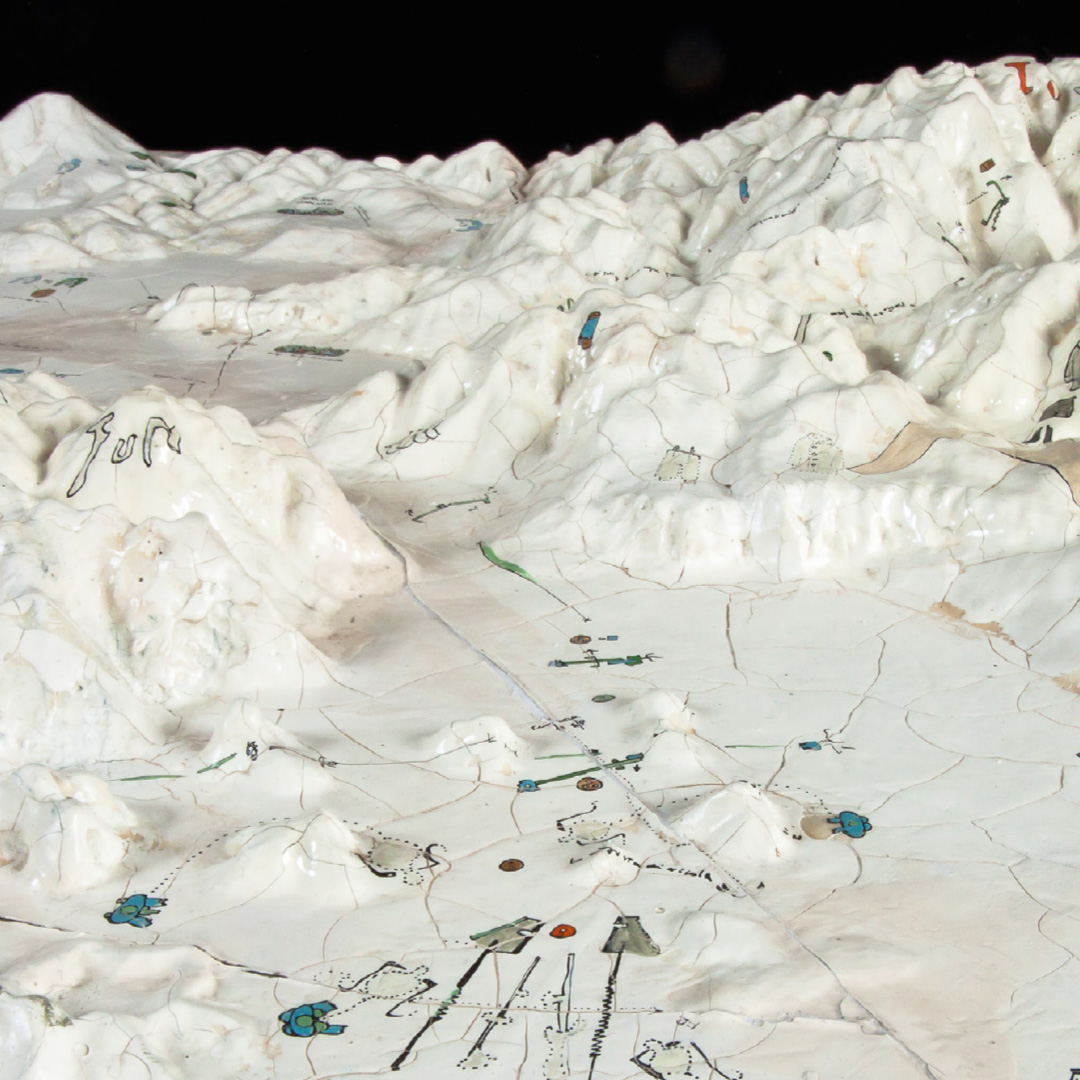 https://www.villafarnesina.it/wp-content/uploads/2025/07/Baruchello_1080x1080_06.jpg
1080
1080
Federica
https://www.villafarnesina.it/wp-content/uploads/2025/11/villa_farnesina_logo_light_right.png
Federica2025-07-29 07:01:042025-11-18 13:41:44Gianfranco Baruchello. Possible Worlds
https://www.villafarnesina.it/wp-content/uploads/2025/07/Baruchello_1080x1080_06.jpg
1080
1080
Federica
https://www.villafarnesina.it/wp-content/uploads/2025/11/villa_farnesina_logo_light_right.png
Federica2025-07-29 07:01:042025-11-18 13:41:44Gianfranco Baruchello. Possible Worlds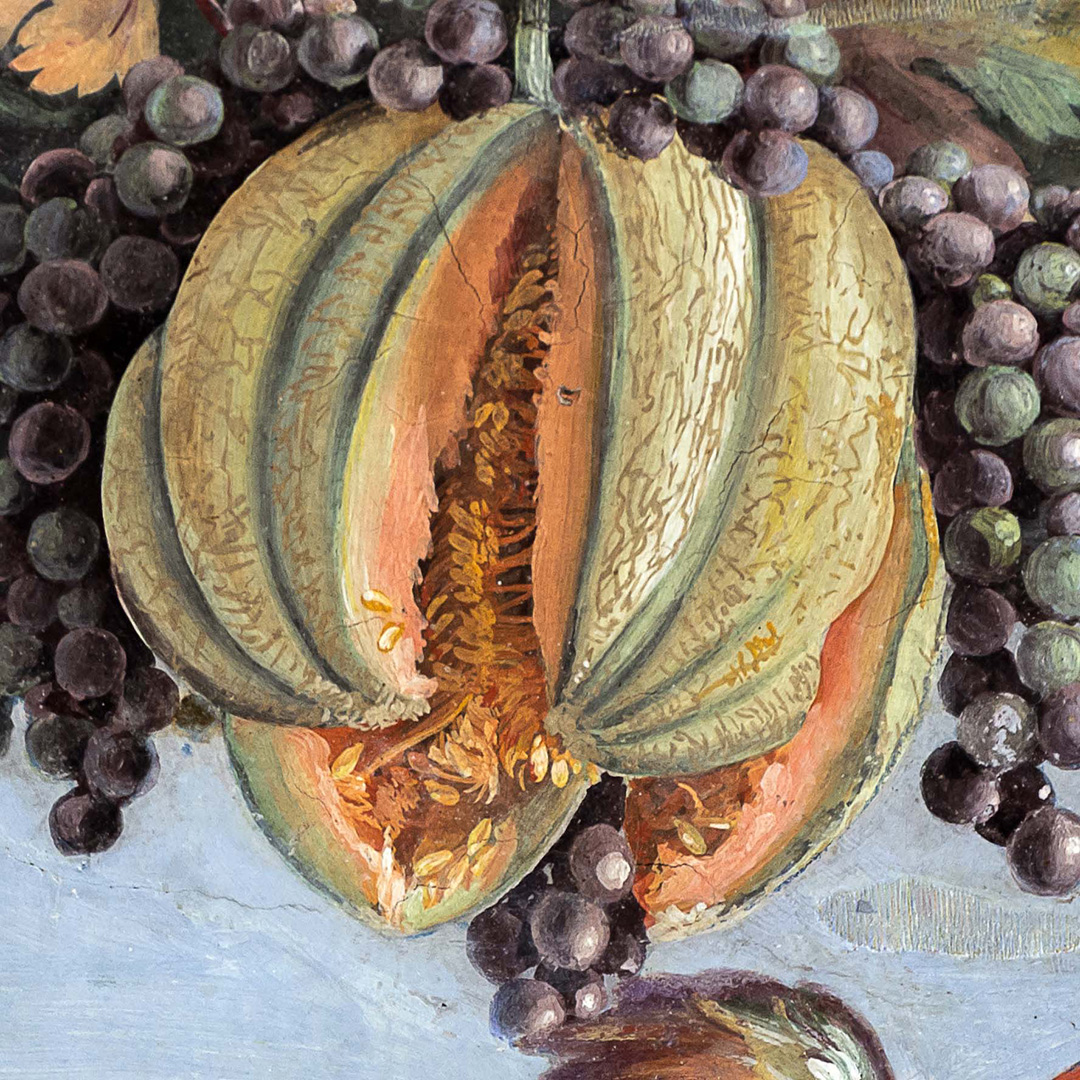 https://www.villafarnesina.it/wp-content/uploads/2025/07/Prosperita_1080x1080_01.jpg
1080
1080
Federica
https://www.villafarnesina.it/wp-content/uploads/2025/11/villa_farnesina_logo_light_right.png
Federica2025-07-29 05:15:002025-10-31 12:14:56The Colors of Prosperity: Fruits of the Old and New World
https://www.villafarnesina.it/wp-content/uploads/2025/07/Prosperita_1080x1080_01.jpg
1080
1080
Federica
https://www.villafarnesina.it/wp-content/uploads/2025/11/villa_farnesina_logo_light_right.png
Federica2025-07-29 05:15:002025-10-31 12:14:56The Colors of Prosperity: Fruits of the Old and New World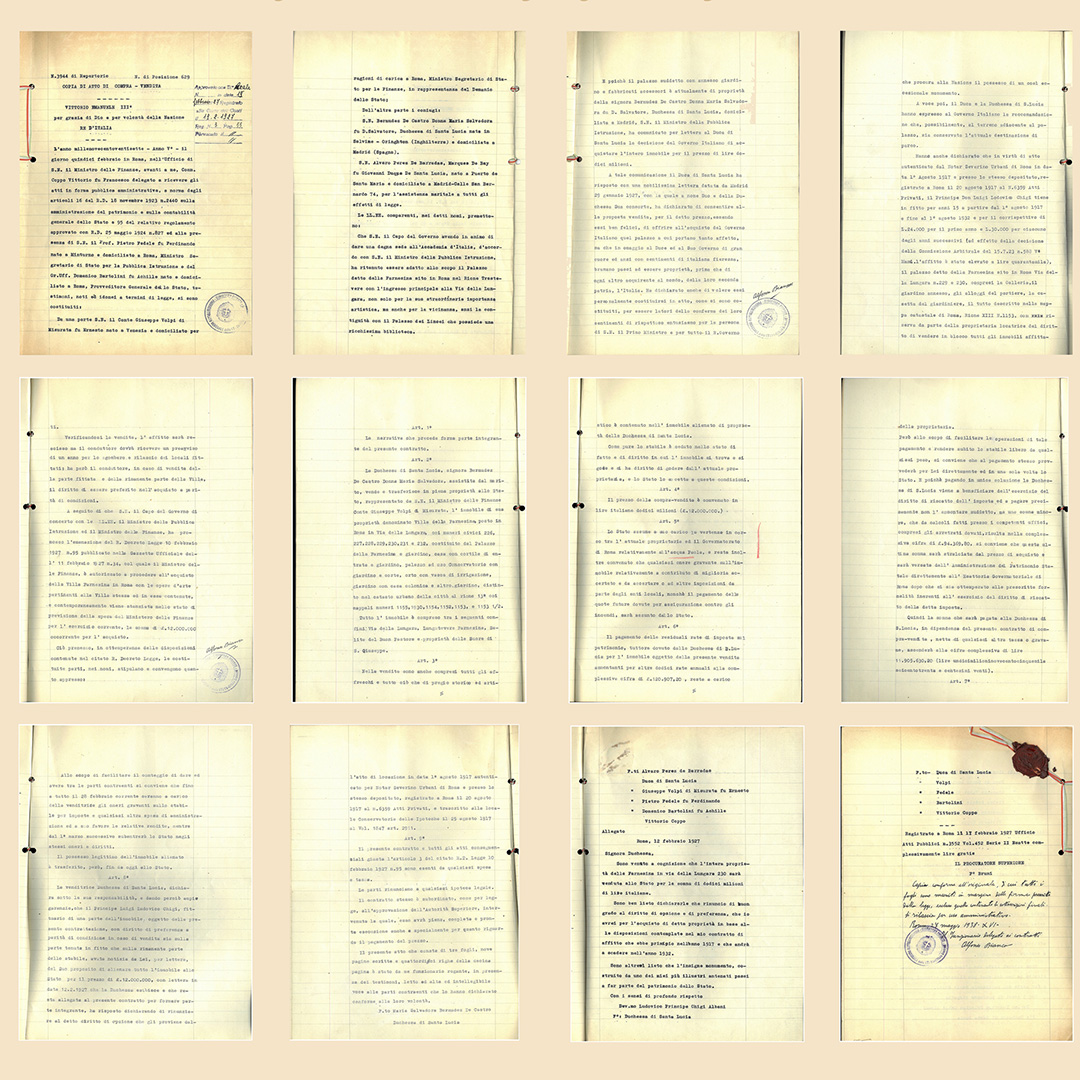 https://www.villafarnesina.it/wp-content/uploads/2025/07/Album_anni30_img_01.jpg
1080
1080
Federica
https://www.villafarnesina.it/wp-content/uploads/2025/11/villa_farnesina_logo_light_right.png
Federica2025-07-29 05:14:492025-10-31 12:17:04Villa Farnesina 1927–1944: Restoration Exhibition by Engineer Giovanni Massari
https://www.villafarnesina.it/wp-content/uploads/2025/07/Album_anni30_img_01.jpg
1080
1080
Federica
https://www.villafarnesina.it/wp-content/uploads/2025/11/villa_farnesina_logo_light_right.png
Federica2025-07-29 05:14:492025-10-31 12:17:04Villa Farnesina 1927–1944: Restoration Exhibition by Engineer Giovanni Massari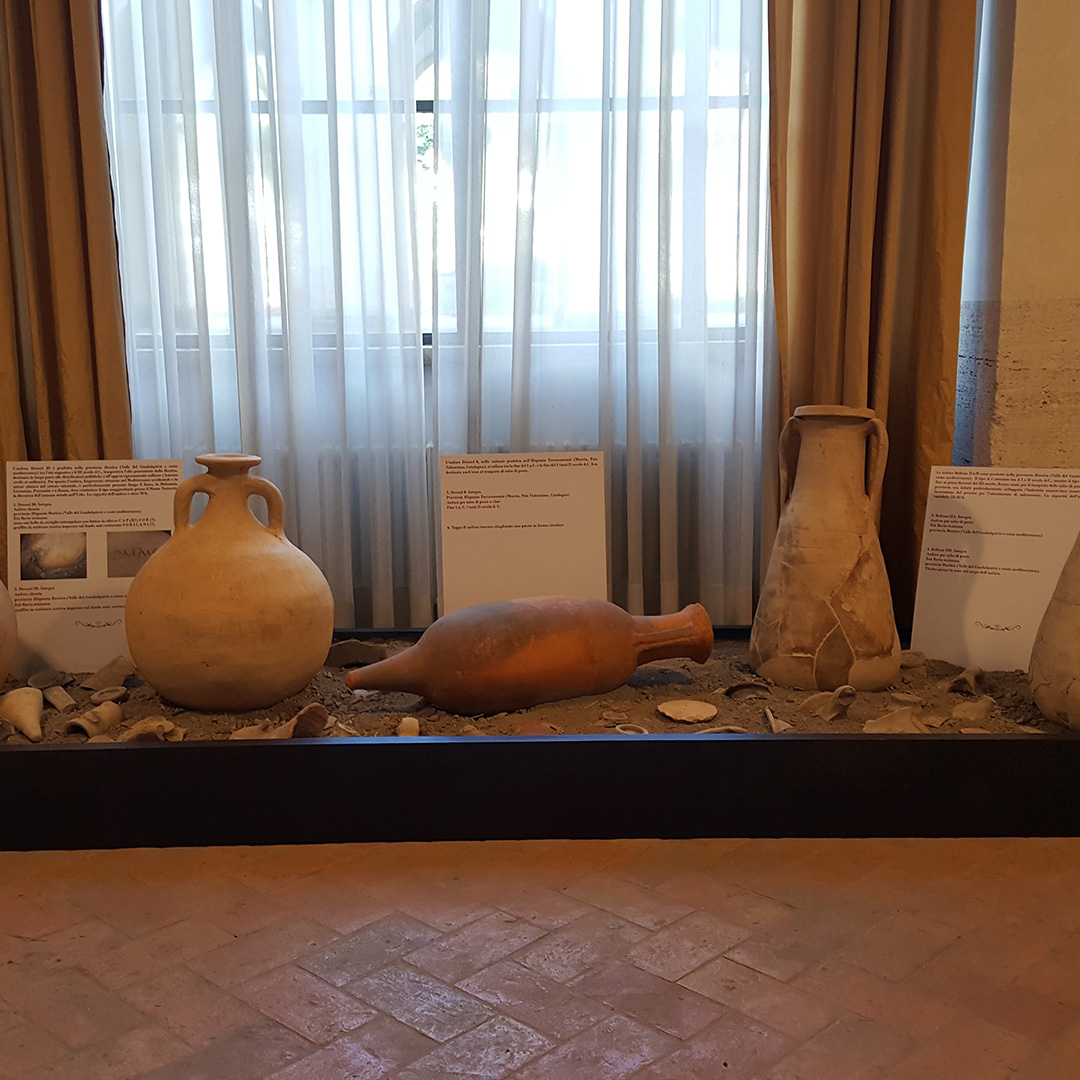 https://www.villafarnesina.it/wp-content/uploads/2025/07/Scavo_Palazzo_Corsini_1080x1080_03.jpg
1080
1080
Federica
https://www.villafarnesina.it/wp-content/uploads/2025/11/villa_farnesina_logo_light_right.png
Federica2025-07-29 05:14:312025-10-31 12:20:39The Archaeological Excavation in the Garden of Palazzo Corsini
https://www.villafarnesina.it/wp-content/uploads/2025/07/Scavo_Palazzo_Corsini_1080x1080_03.jpg
1080
1080
Federica
https://www.villafarnesina.it/wp-content/uploads/2025/11/villa_farnesina_logo_light_right.png
Federica2025-07-29 05:14:312025-10-31 12:20:39The Archaeological Excavation in the Garden of Palazzo Corsini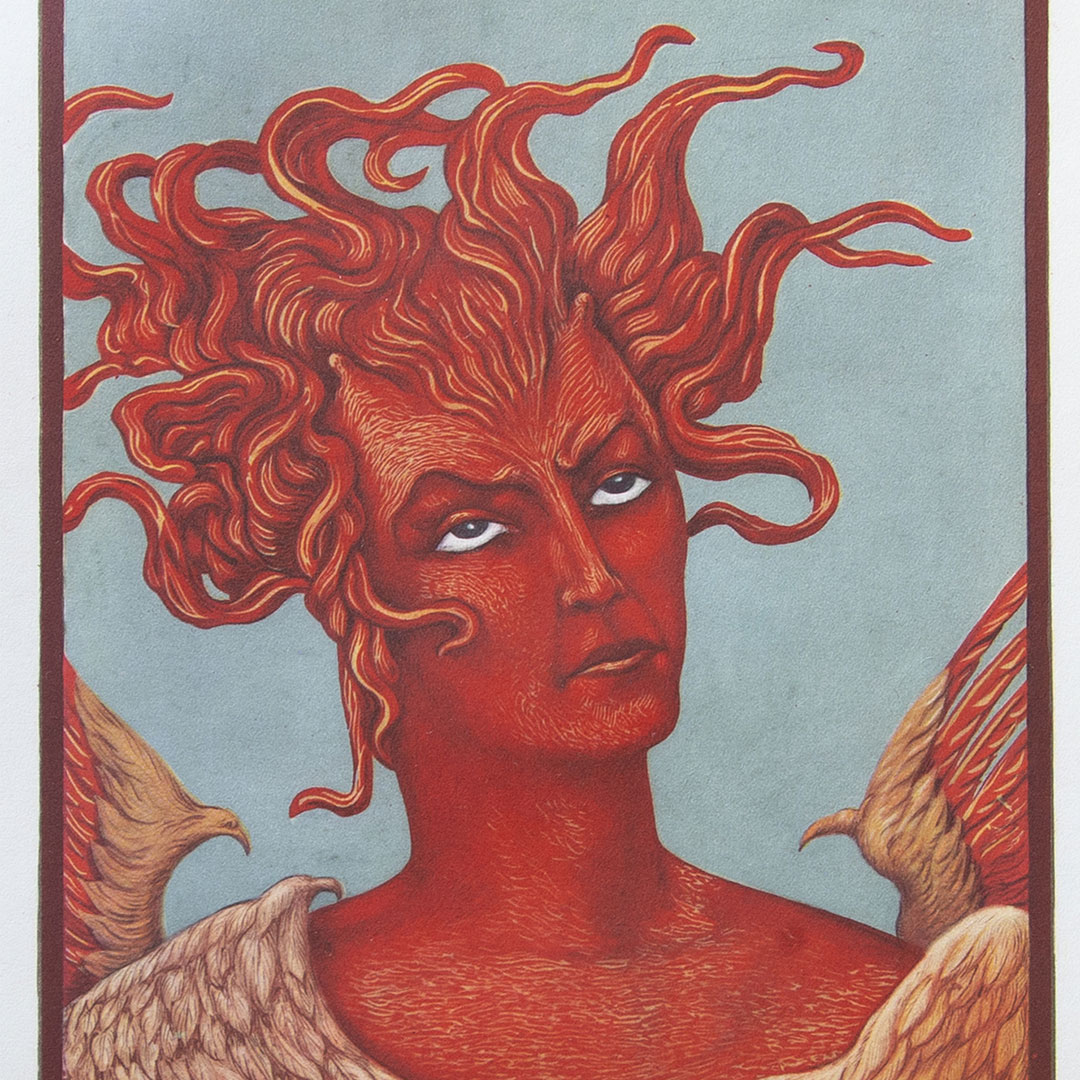 https://www.villafarnesina.it/wp-content/uploads/2025/07/villa_farnesina_mostre_trittico_del_centenario_03.jpg
1080
1080
Federica
https://www.villafarnesina.it/wp-content/uploads/2025/11/villa_farnesina_logo_light_right.png
Federica2025-07-29 05:14:142025-10-31 12:24:19The Centenary Triptych: Leonardo 1919, Raphael 1920, Dante 1921
https://www.villafarnesina.it/wp-content/uploads/2025/07/villa_farnesina_mostre_trittico_del_centenario_03.jpg
1080
1080
Federica
https://www.villafarnesina.it/wp-content/uploads/2025/11/villa_farnesina_logo_light_right.png
Federica2025-07-29 05:14:142025-10-31 12:24:19The Centenary Triptych: Leonardo 1919, Raphael 1920, Dante 1921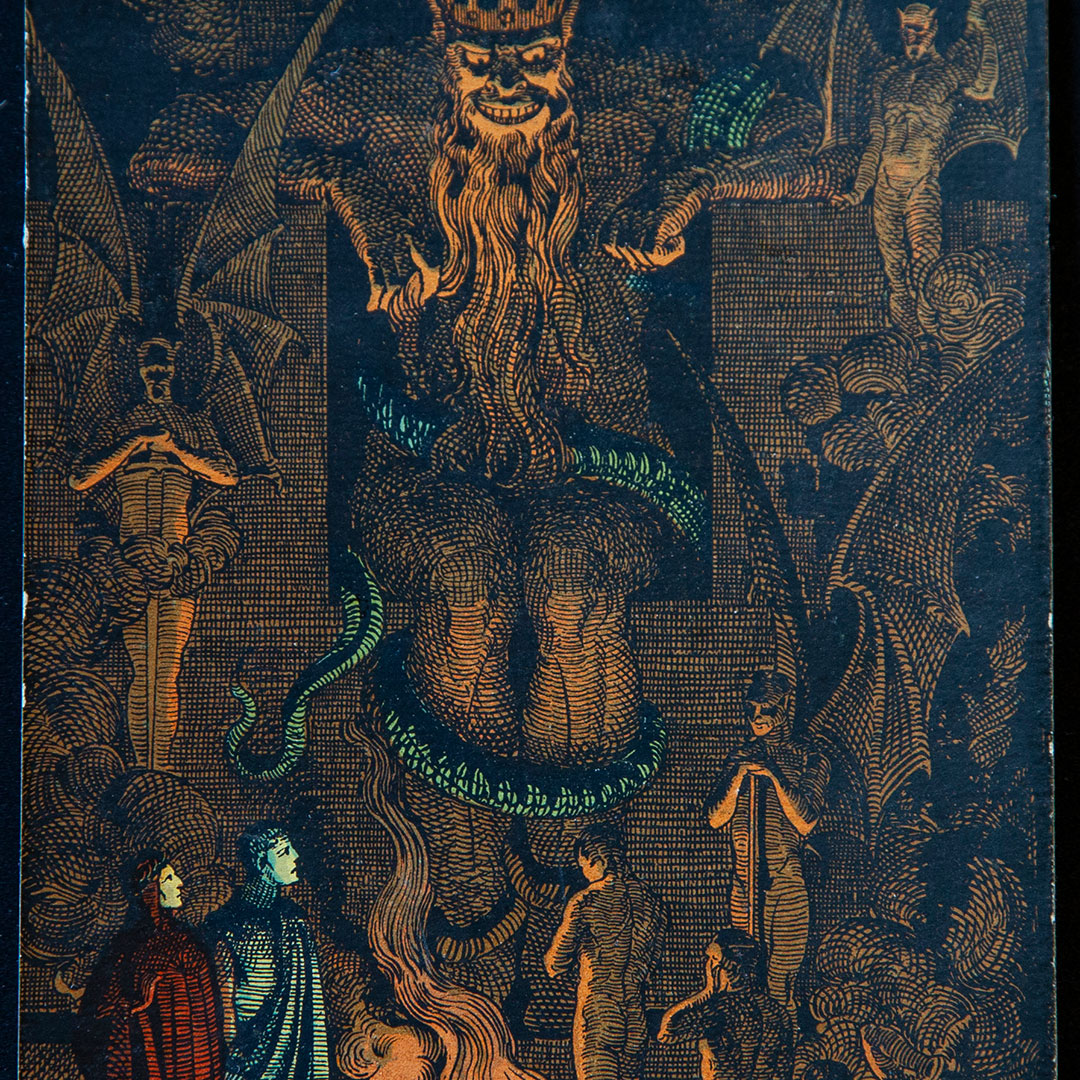 https://www.villafarnesina.it/wp-content/uploads/2025/07/villa_farnesina_mostre_trittico_ingegno_italiano_01.jpg
1080
1080
Federica
https://www.villafarnesina.it/wp-content/uploads/2025/11/villa_farnesina_logo_light_right.png
Federica2025-07-29 05:13:492026-01-27 13:28:23Italian Ingenuity Triptych Leonardo 2019 – Raphael 2020- Dante 2021
https://www.villafarnesina.it/wp-content/uploads/2025/07/villa_farnesina_mostre_trittico_ingegno_italiano_01.jpg
1080
1080
Federica
https://www.villafarnesina.it/wp-content/uploads/2025/11/villa_farnesina_logo_light_right.png
Federica2025-07-29 05:13:492026-01-27 13:28:23Italian Ingenuity Triptych Leonardo 2019 – Raphael 2020- Dante 2021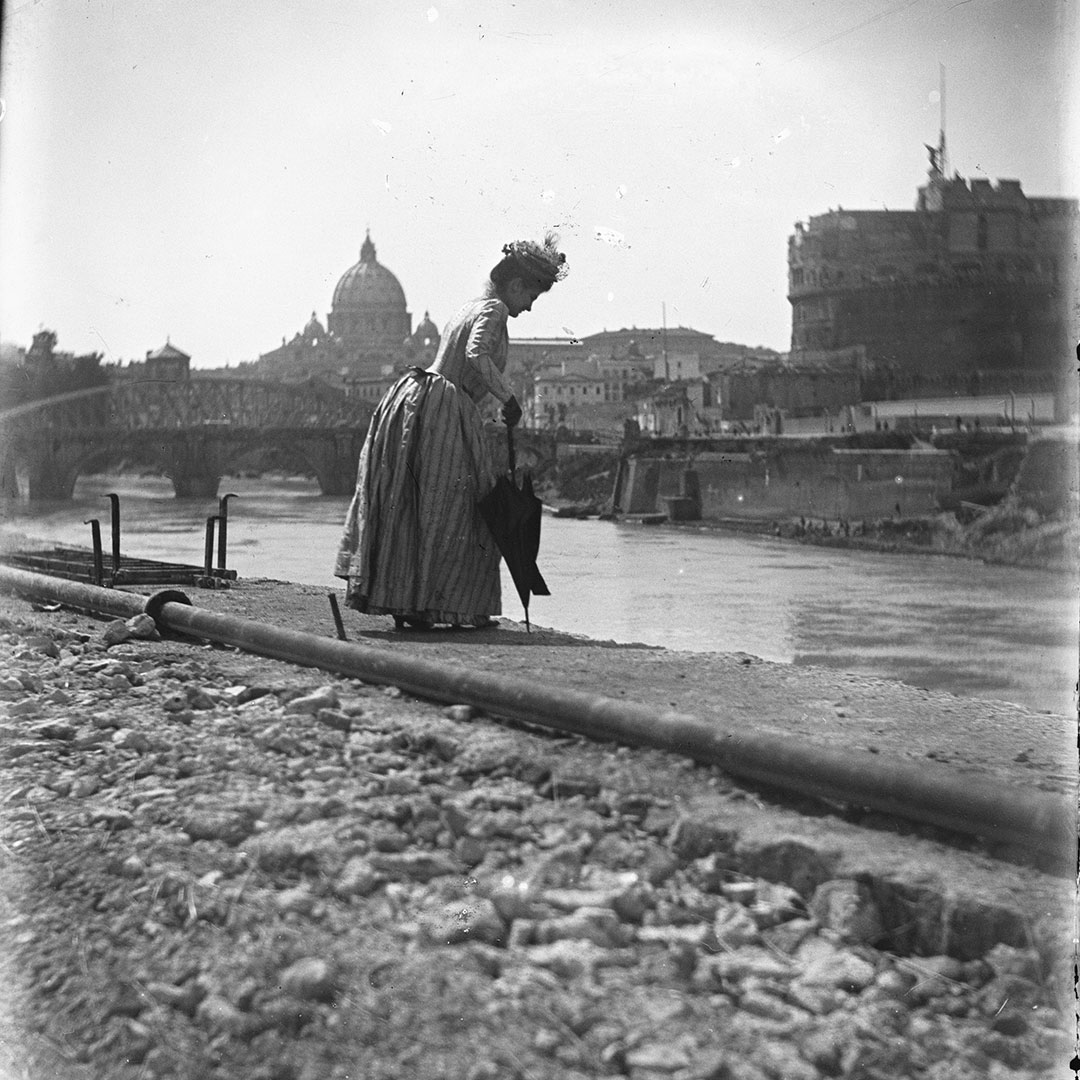 https://www.villafarnesina.it/wp-content/uploads/2025/07/Villa_Farnesina_mostre_ottocento_05.jpg
1080
1080
Federica
https://www.villafarnesina.it/wp-content/uploads/2025/11/villa_farnesina_logo_light_right.png
Federica2025-07-29 05:13:192026-01-27 13:28:45The Nineteenth Century at Villa Farnesina
https://www.villafarnesina.it/wp-content/uploads/2025/07/Villa_Farnesina_mostre_ottocento_05.jpg
1080
1080
Federica
https://www.villafarnesina.it/wp-content/uploads/2025/11/villa_farnesina_logo_light_right.png
Federica2025-07-29 05:13:192026-01-27 13:28:45The Nineteenth Century at Villa Farnesina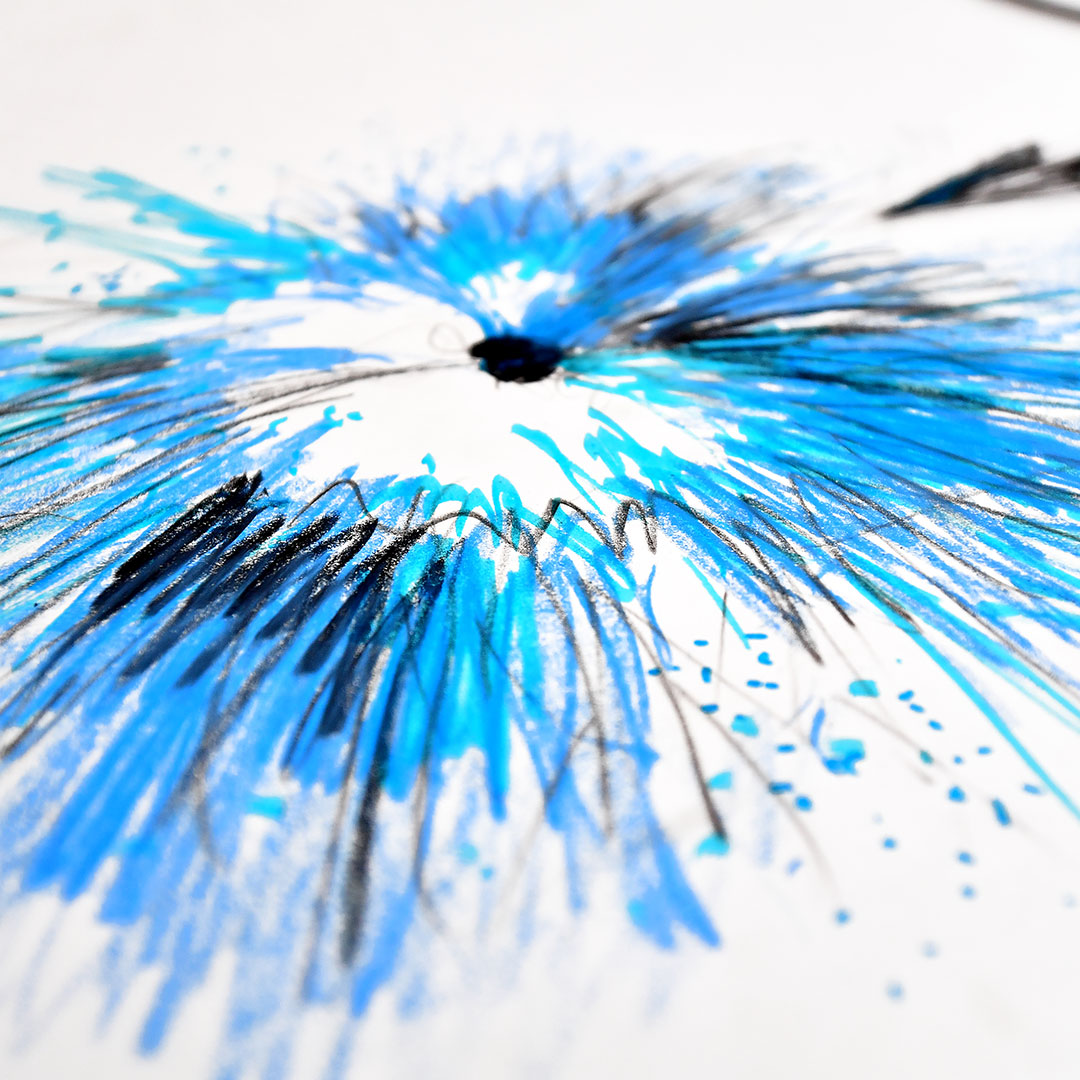 https://www.villafarnesina.it/wp-content/uploads/2025/07/villa_farnesina_plessi_06.jpg
1080
1080
Federica
https://www.villafarnesina.it/wp-content/uploads/2025/11/villa_farnesina_logo_light_right.png
Federica2025-07-29 05:12:192026-01-27 13:29:03Fabrizio Plessi. Poking holes in the sea
https://www.villafarnesina.it/wp-content/uploads/2025/07/villa_farnesina_plessi_06.jpg
1080
1080
Federica
https://www.villafarnesina.it/wp-content/uploads/2025/11/villa_farnesina_logo_light_right.png
Federica2025-07-29 05:12:192026-01-27 13:29:03Fabrizio Plessi. Poking holes in the sea